Actual Density and ILD: How to Answer the Foam Question Without Guessing
A buyer asks for density of 45-55 kg/m3 and the actual hardness in ILD. What those numbers mean, why stated and actual density differ, and how to answer with numbers you can defend.
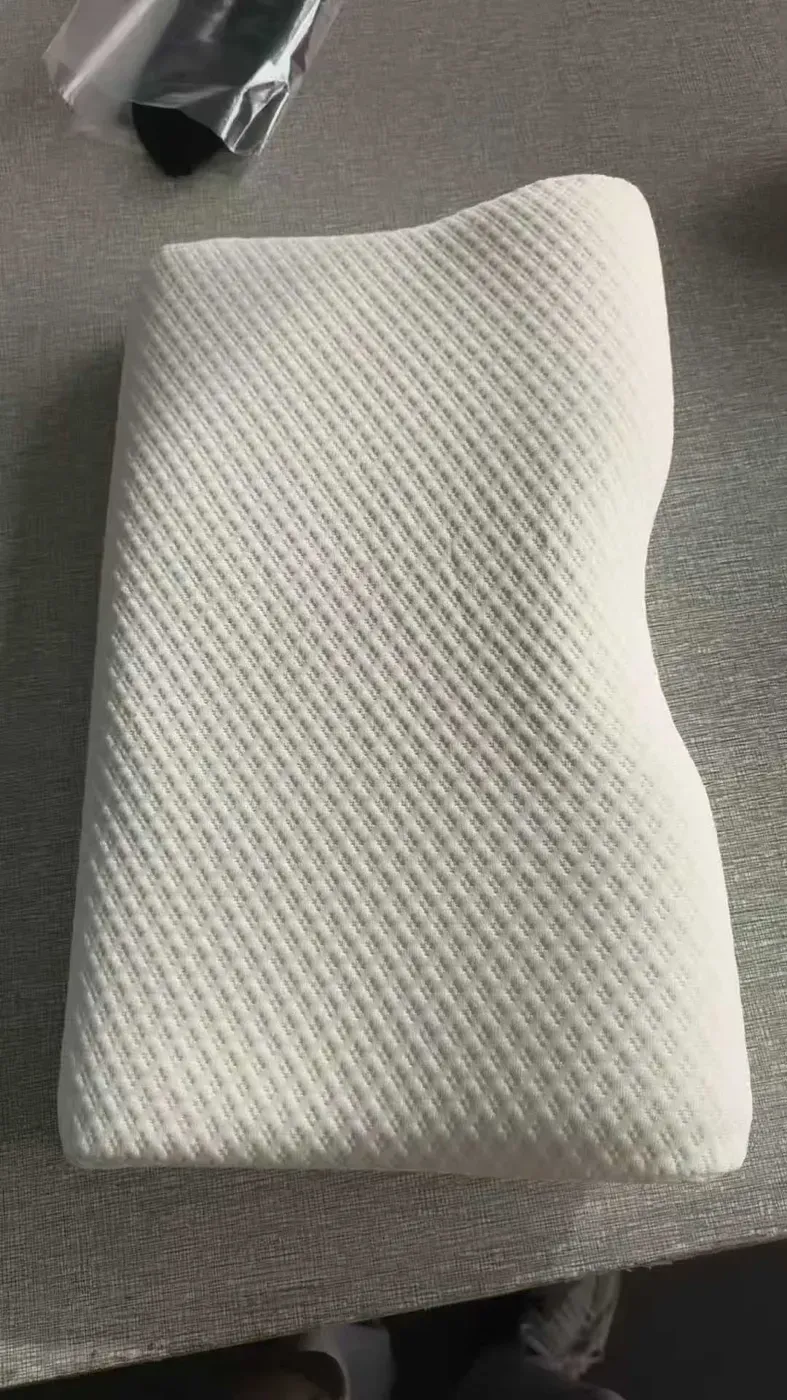
A recent hotel inquiry landed with a line that would have been unusual five years ago: "Density: target 45-55 kg/m3. Please tell us the actual density and hardness (ILD)." The buyer was not asking for a marketing number. They were asking whether we know our own foam, and the answer determines whether the rest of the quotation gets read.
Two numbers, two different things
Density and hardness get used interchangeably in supplier conversations, and they measure completely different properties. Density is mass per volume — kilograms per cubic metre — and it tracks how much material is in the foam. Hardness, usually expressed as ILD or IFD (indentation force deflection), is the force needed to compress the foam to a percentage of its thickness. A 50 kg/m3 foam can be built soft or firm by changing the formulation, so density alone tells a buyer nothing about feel, and ILD alone says nothing about durability. The buyer asked for both because serious buyers always do.
The feel clause in the same inquiry — "medium-firm, slow recovery, supports the head without sinking to the bed" — is the translation of those two numbers into experience. Medium-firm for a pillow generally sits around a 25% ILD in the low teens; slow recovery is the viscoelastic signature, typically three to eight seconds of rebound when pressed. If your foam matches the numbers but not the feel description, say so and explain — buyers respect a supplier who reconciles the spec with the hand-feel.
Why "actual" is the word that matters
The buyer wrote "please tell us the actual density". The word actual exists because stated density and real density drift apart in this industry. Foam loses a small percentage of mass during curing and finishing; some suppliers quote the formula target rather than the measured result; and a batch produced at the edge of tolerance can land a full point below the label. Over a hundred-unit order, that difference changes the feel of every pillow in the carton.
The defensible answer has three parts. First, measure: cut a cured sample block, weigh it, measure its volume, and calculate — do not copy the formula sheet. Second, state a range with tolerance, for example 48 ± 3 kg/m3 and ILD 13 ± 2, because a single number implies a precision no production line guarantees. Third, commit the tolerance in writing: a purchase order that says "density within ±5% of stated, verified by sample cutting" is what turns a spec into an enforceable term.
What to send with the numbers
A number without evidence invites the next question anyway. Attach the measurements taken on recent production — date, batch, dimensions, weight — and, if the buyer is technical, the original lab report or an SGS-style third-party test of the same batch. Buyers cross-check stated ILD against their own sample testing, and a first answer that already contains measured data usually ends the technical interview there.
The suppliers who lose these orders are not the ones with worse foam. They are the ones who answered a measurement question with a brochure.


