Memory Foam Pillow Care and Washing: Aftercare Guidance That Cuts Returns
What B2B sellers should put on memory foam pillow care labels: washing rules for solid cores, cover care by fabric, drying limits, storage cautions, and how aftercare content reduces returns.
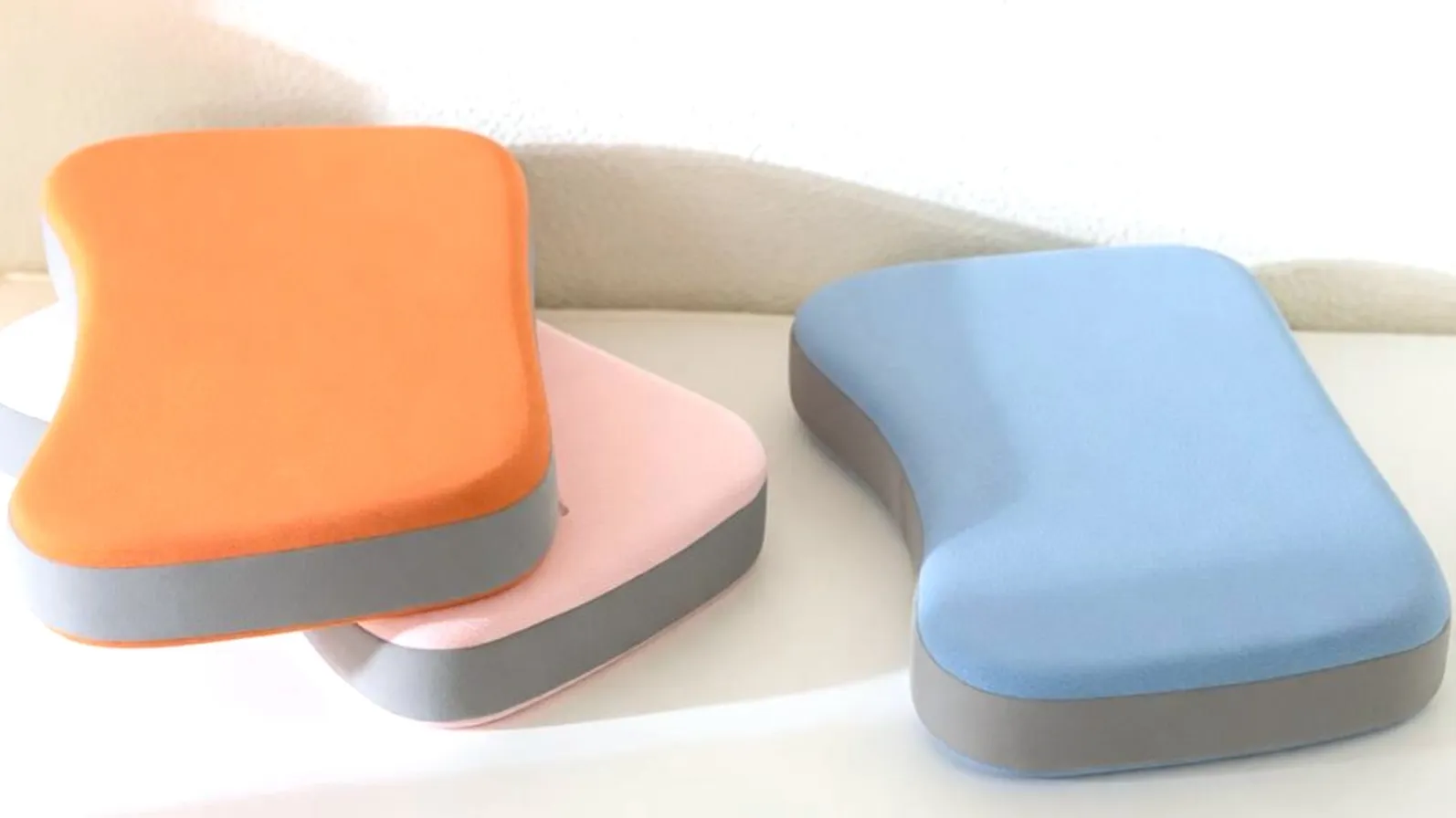
Most memory foam pillow returns are not quality failures - they are care failures. A buyer puts a solid viscoelastic core in a washing machine, the foam crumbles or never dries, and the pillow comes back as a complaint. The fix costs almost nothing: clear care guidance printed on the label and repeated in your listing content. This guide explains what to tell your customers and what to print on your packaging.
The One Rule That Matters: Never Wash the Core
A solid memory foam core must never go in a washing machine or be soaked. Waterlogged viscoelastic foam cannot be dried properly in domestic conditions - residual moisture inside the core leads to odour, microbial growth, and foam that tears apart under pressure. Machine agitation shreds the cell structure permanently.
The correct cleaning method for a solid core is spot cleaning: a damp cloth with a small amount of mild detergent, blotting rather than rubbing, followed by air drying in a shaded, well-ventilated space for at least 24 hours. That is the message to put on every care label.
What Care Labels Should Actually Say
A compliant care label for a memory foam pillow program needs five lines:
- Cover: machine wash cold, gentle cycle, mild detergent
- Cover: do not bleach, do not iron, do not dry clean
- Cover: tumble dry low or line dry
- Core: spot clean only, do not wash, do not soak
- Core: air dry in shade, never near a heater or in direct sun
Factories that produce export programs can supply label artwork templates per destination market. Make sure the care symbols match the market standard - GS1 care symbols in Europe, ASTM care labelling in the United States.
Cover Care Depends on the Fabric
Bamboo and ice-silk knit covers stretch more than woven polyester, so they should be washed on a gentler cycle and never wrung out by hand - twisting distorts the knit. Tencel covers hold colour well but can watermark, which is another reason to avoid bleach and high-spin cycles. Zippers should be closed before washing to protect the teeth.
Drying and Heat: The Silent Killer
Heat is what ages memory foam fastest. A core left on a radiator, near a space heater, or in direct summer sun will stiffen and yellow long before its time. UV exposure degrades polyurethane visibly. The guidance is simple: shade drying only, and never use a tumble dryer for any foam component.
Storage and Compression Cautions
Vacuum compression is standard for freight, and quality cores recover their loft within 24-72 hours after unpacking. But long-term compression is different: a pillow stored compressed in a cupboard for months will develop permanent indentations. Advise customers to unpack promptly and store pillows flat or loosely rolled.
Aftercare Content Is a Returns Strategy
Sellers who attach a simple aftercare card - one page, five icons, three sentences per icon - consistently report fewer care-related complaints and better review scores. The same content works as a listing FAQ, an insert card, and a customer-service template. It also gives retail staff a ready answer instead of an instant refund.
PillowContract Industrial Co., Ltd. supplies care label templates and aftercare insert cards with every OEM program, matched to the destination market's labelling rules. WhatsApp +86 137 7374 7840 to get the template set for your market.


