Memory Foam Pillow Manufacturing in China vs Vietnam: A B2B Sourcing Comparison
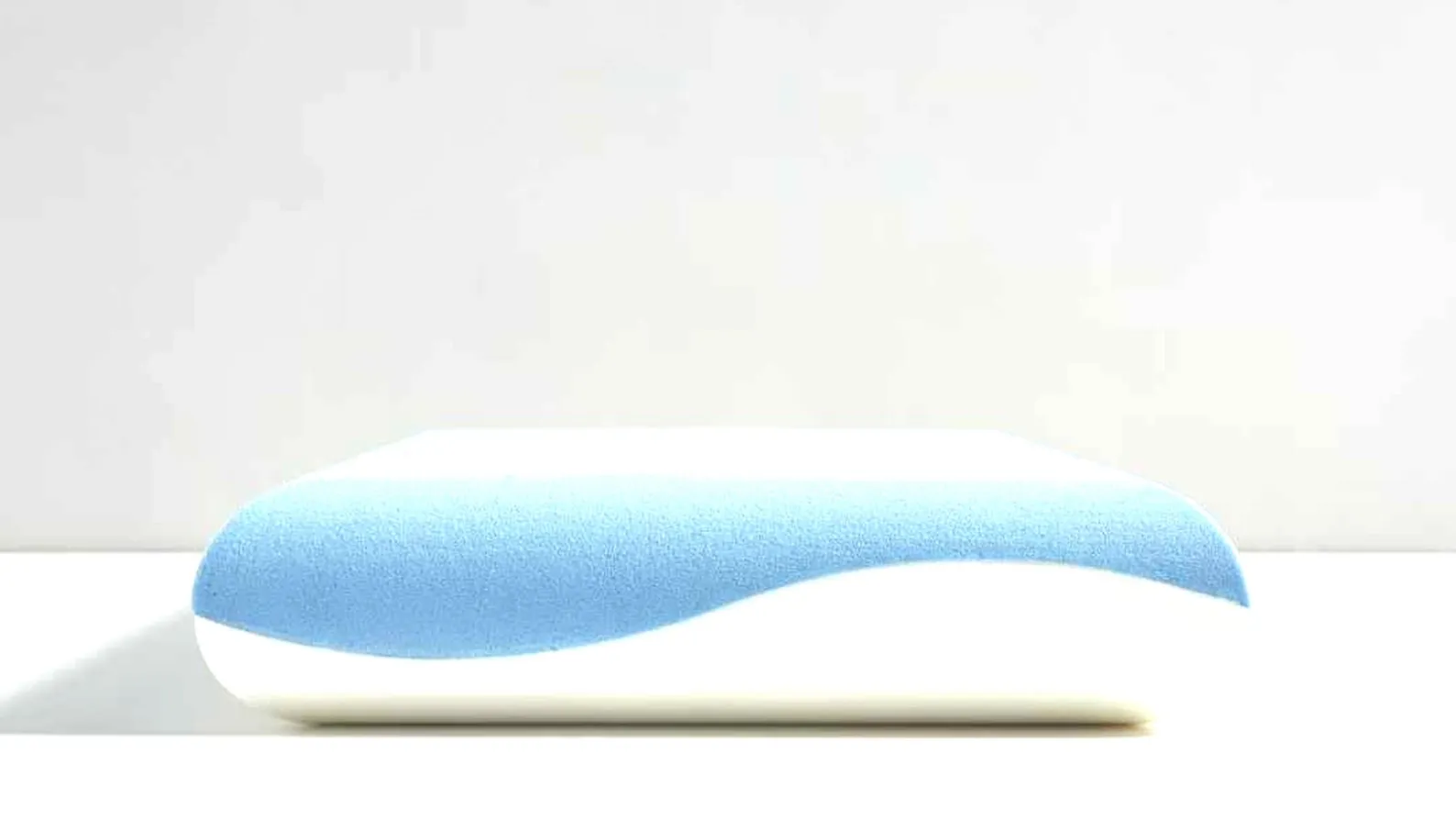
Every memory foam pillow importer eventually asks the same question: should production move from China to Vietnam? The question is rarely about quality alone. It is about landed cost after tariffs, the maturity of the local foam supply chain, and how much risk a buyer can absorb in tooling, lead time and consistency. This article compares the two manufacturing bases on the variables that actually move a B2B sourcing decision, and flags the compliance mistake that turns a smart tariff move into a seized shipment.
Why Buyers Are Asking About Vietnam
Vietnam entered the pillow-sourcing conversation because it sits outside the US Section 301 additional-duty list that hits China-origin goods. For a US-bound program, the difference between a China-built pillow and a Vietnam-built one can be the gap between a 25 percent surcharge and none. That single line item reframed Vietnam from a niche option to a mainstream request on importer RFQs.
But tariff is only one variable. A factory's location does not change foam chemistry, ILD, or compression-set behavior. What changes is the surrounding ecosystem that supplies, finishes and ships the product.
The Tariff Math That Started the Shift
The tariff comparison is concrete. China-origin memory foam pillows under HTS 9404.21 face the base MFN duty plus the Section 301 List 3 additional duty, which has run at 25 percent, with the US de minimis exemption now removed so even small shipments are taxed. Vietnam-origin goods into the US carry only the base MFN rate with no Section 301 surcharge, because Vietnam is not on that list. The duty difference on a container can be the difference between a workable margin and a loss.
This is the same tariff mechanics covered in the market-by-market duty reference in this series. The point here is narrower: Vietnam's tariff position is its headline advantage, and it is real for US-bound volume. For EU and UK destinations the base tariff on pillows is already low or zero, so the Vietnam edge shrinks to almost nothing there, and ASEAN destinations may favor China-origin goods cleared under Form E. Tariff alone rarely justifies a move unless the US is your primary market.
Foam Supply Chain: China's Dense Ecosystem
The decisive structural difference is the polyurethane supply chain. China's Pearl River Delta and Yangtze River Delta clusters concentrate foam slabstock producers, chemical suppliers, fabric mills, zipper and trim makers, and finished-goods factories within short logistics distances. A buyer can qualify a foam grade, a cover fabric and a finished pillow from suppliers in the same region, with short lead times between each step.
Vietnam's finished-goods sewing and assembly capacity is strong and growing, but the upstream foam and chemical inputs are often still imported from China or other suppliers. That means a "Vietnam-made" pillow may still carry China-origin foam, which matters for rules-of-origin paperwork and for the transshipment question below. Vietnam's ecosystem is maturing fast, but the density and speed of China's vertical integration remain hard to match.
Labor, Land and Overhead Costs
Wage and land costs in Vietnam are generally lower than in China's coastal manufacturing provinces, and that gap is part of the attraction. The saving is real on labor-intensive sewing and finishing operations. It is less decisive on the foam-production side, where energy, chemistry and capital equipment dominate cost rather than manual labor.
The offset is overhead maturity. China's cluster effect lowers indirect costs through competition among supporting suppliers, mature logistics, and factories that have run export compliance for a decade or more. Vietnam's cost advantage can be eroded by longer supplier searches, less standardized components, and the learning curve of newer export operations.
MOQ Flexibility and Production Batches
Minimum order quantities tell the story of ecosystem maturity. China's dense supplier base lets buyers place smaller, more frequent batches because component suppliers serve many clients and hold buffer stock. A new SKU or a private-label run can start at a lower MOQ with shorter notice.
Vietnam factories, especially those still sourcing foam and trim from abroad, often need larger commitments to justify importing inputs and booking production slots. MOQ may be higher and changeover slower. For a buyer testing a new market or a seasonal SKU, China's batch flexibility is a quiet advantage that the per-unit labor saving in Vietnam does not always repay.
Lead Time, Port Logistics and Freight
China's coastal factories sit next to the world's busiest container ports, with daily sailings to every major destination and deeply established freight forwarding. Lead time from order to container is predictable and short.
Vietnam's ports, led by Ho Chi Minh and Hai Phong, have improved sharply but still offer less sailing frequency and sometimes longer inland drayage from factory to port. For sea freight this adds days; for air freight the gap is smaller. Because duty is calculated on CIF value, any extra freight Vietnam incurs also nudges the duty base upward, partially offsetting the tariff saving. Roll-pack vacuum compression helps both bases equally by shrinking volume, but it does not close a logistics gap.
Quality Consistency and Technical Maturity
On the foam itself, capability is portable. The same polyurethane chemistry, ILD testing and CertiPUR-US or OEKO-TEX conformity can be achieved in either country if the factory invests in instrumentation and disciplined process control. China's longer export track record means more factories have run AQL inspection, foam test reporting and buyer audits repeatedly, so the average baseline of documentation maturity is higher.
Vietnam's technically strong factories exist and are improving quickly, but the buyer must verify rather than assume. The quality question is therefore not "which country is better" but "which specific factory, with which quality system, can show the test reports and audit history." That is the same supplier-qualification discipline this series covers for manufacturer selection and sample approval.
The Transshipment Trap: Tariff Arbitrage That Backfires
The biggest risk in a China-to-Vietnam shift is the temptation to ship China-made goods through Vietnam only to relabel origin. This is origin fraud, not sourcing. US Customs and other authorities target transshipment with document demands, factory verification and penalties, and a misdeclared country of origin can mean seized goods, denied entry and a destroyed compliance record.
A legitimate Vietnam move requires real transformation: foam produced or substantially processed in Vietnam, documented inputs, and a clean certificate of origin that matches the physical supply chain. If the pillow is mostly China foam with a Vietnam sew-and-ship step, the origin claim will not survive scrutiny. Buyers should request the full input traceability and be ready to defend it — the same rigor the health-claims compliance article urges for product statements.
A Side-by-Side Decision Scorecard
For a US-primary buyer, Vietnam's tariff position is compelling, provided the factory has genuine local foam or verifiable transformation, acceptable MOQ, and the documentation to prove origin. For EU, UK or ASEAN-primary programs, China's ecosystem, speed and Form E access often win on total landed cost and agility. Many mature importers run a dual-source model — China for flexibility and non-US markets, Vietnam for US-bound volume — exactly the second-supplier strategy covered earlier in this series.
The wrong reason to move is panic over a tariff headline without mapping the full landed-cost stack: duty saved minus extra freight, longer lead time, higher MOQ tie-up and weaker component availability.
What to Put in the Supplier Qualification RFQ
Whether you stay in China, move to Vietnam, or run both, the RFQ should demand the same evidence: foam grade and ILD data, CertiPUR-US or OEKO-TEX certificates with issuing body, a foam test report, AQL inspection level, roll-pack specification, and a full country-of-origin and input traceability statement. Ask the factory to state where the foam is made, not just where the pillow is sewn, and require the commercial invoice and certificate of origin to match the physical supply chain.
If you are weighing a China-versus-Vietnam production split for your memory foam pillow program and want a landed-cost and compliance read on specific SKUs, contact the sourcing team at +86 137 7374 7840 or email info@pillowcontract.com for a catalog, FOB quote and a per-market duty estimate.


