Memory Foam Pillow Cover Fabrics: Bamboo, Cooling Ice Silk and Tencel Compared for B2B Buyers
A B2B buyer's comparison of memory foam pillow cover fabrics — bamboo fiber, cooling ice silk, and Tencel (lyocell): breathability, cooling performance, durability, care, certification, and how to spe
Introduction
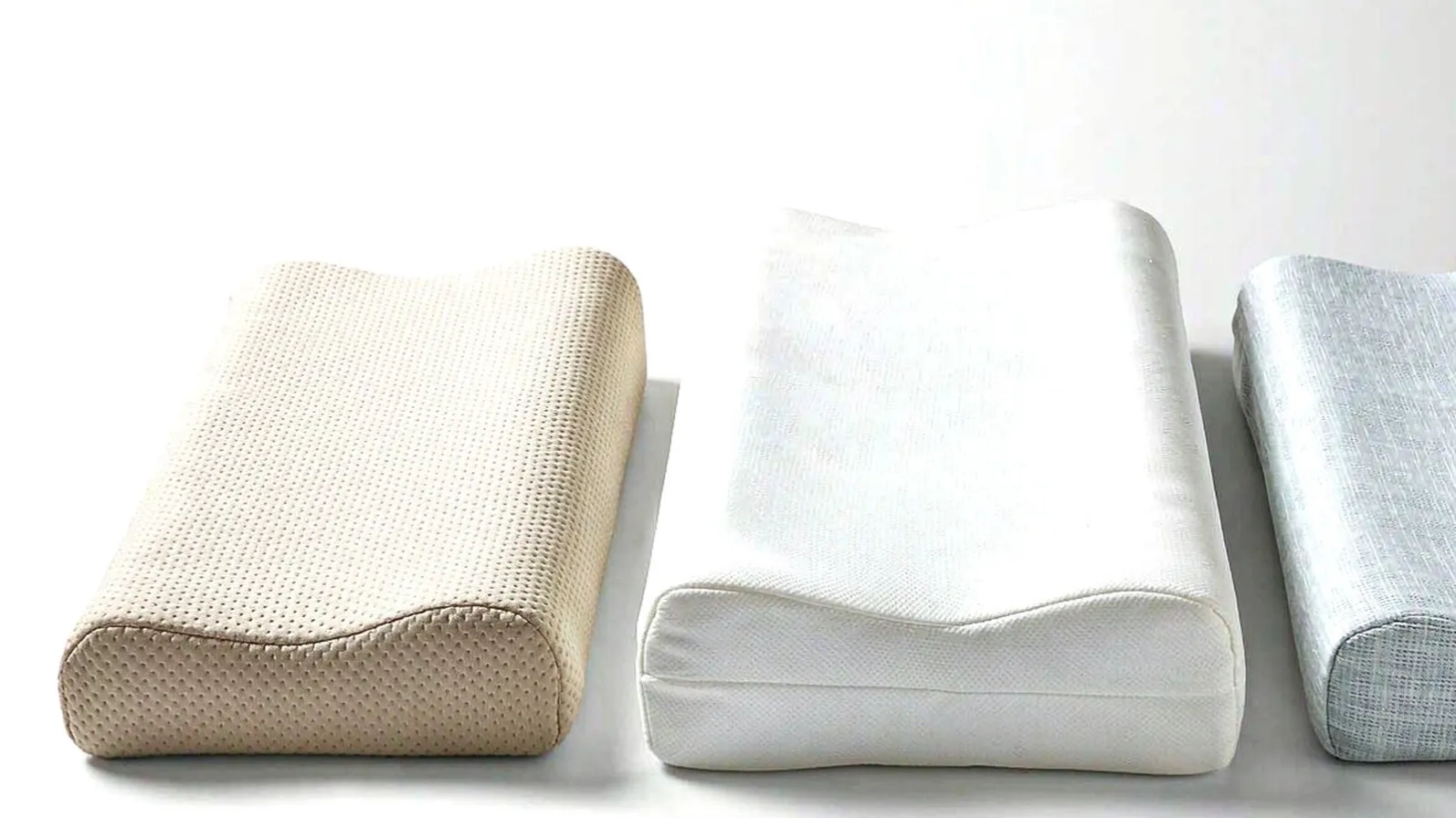
Most B2B buyers specify the foam first — density, ILD, rebound — and treat the cover as an afterthought. That is backwards for the customer. The cover is the only part a sleeper touches, the first thing a retailer photographs, and the layer most likely to drive a return for heat, pilling, or odour. For an importer building a memory foam pillow range, the cover fabric is a sourcing decision with its own supply chain, certification path, and cost curve. This article compares the three covers B2B buyers ask for most — bamboo fiber, cooling ice silk, and Tencel (lyocell) — on the metrics that actually affect rejects, returns, and repeat orders.
Why the Cover Carries More Risk Than the Foam
The core foam is a controlled, bonded material with tight density tolerance. The cover is a woven or knitted textile with far more variables: yarn type, weave, finish, dye lot, and stitch density. Small changes shift hand-feel and cooling perception noticeably.
- **It is the thermal interface** — the cover governs how fast body heat leaves the pillow surface; the foam underneath only matters once heat reaches it.
- **It is the failure surface** — pilling, seam splitting, and colour fade all happen in the cover, not the core.
- **It is the certification boundary** — skin-contact textiles carry their own compliance load (OEKO-TEX Standard 100, REACH), independent of the foam's CertiPUR-US status.
- **It is the customization lever** — cover fabric, colour, and zip placement are the cheapest ways to make a generic pillow look like a private-label product.
Specifying the cover deliberately, not defaulting to "standard knit", is one of the highest-leverage decisions in a pillow program.
Bamboo Fiber: The Breathable Natural Option
"Bamboo" cover usually means rayon from bamboo — the cellulose is extracted and regenerated into viscose or modal yarn. The marketing word "bamboo" describes the feedstock, not a magic fibre; the performance comes from the regenerated yarn's structure.
- **Hand-feel** — soft, with a slightly silky drape; reads as "natural" to end buyers.
- **Breathability** — the round cross-section and moisture handling of regenerated cellulose give good airflow and absorbency.
- **Cooling** — passively breathable but not actively cooling; it manages heat by wicking, not by drawing it away.
- **Watch-outs** — the regeneration process (often viscose chemistry) varies by mill; insist on OEKO-TEX Standard 100 on the finished fabric, not just a "bamboo" claim. Pilling resistance depends on yarn twist and GSM, so set a minimum fabric weight.
Bamboo suits wellness and eco-positioned SKUs where the story matters as much as the number.
Cooling Ice Silk: Engineered for Heat Dissipation
"Ice silk" is a trade name, not a fibre classification — typically a smooth, high-filament polyester or nylon blend finished for a cool-to-touch hand. Its job is thermal perception, not absorption.
- **Hand-feel** — immediately cool and slick against the skin; the "cold touch" is measurable in the first seconds of contact.
- **Cooling** — actively lowers surface temperature through high thermal conductivity and a smooth surface that minimizes insulating air pockets.
- **Breathability** — decent, but it cools by conduction rather than by moving moisture; in very humid rooms it feels less dramatic than in dry air.
- **Watch-outs** — ice silk is a synthetic, so "natural" claims are false; position it as cooling tech, not eco. Abrasion resistance is good, but confirm the finish survives 25+ industrial washes if the SKU is washable.
Cooling ice silk is the right cover when the buying trigger is "I sleep hot" — the dominant complaint in the cooling-pillow segment.
Tencel (Lyocell): The Smooth, Moisture-Neutral Choice
Tencel is the brand name for lyocell, a wood-pulp cellulose fibre made in a closed-loop solvent process. It is the most technically consistent of the three.
- **Hand-feel** — smooth and cool without the slickness of ice silk; often described as a matte, premium drape.
- **Moisture management** — absorbs and releases moisture faster than cotton and far faster than polyester, so it stays neutral rather than clammy.
- **Cooling** — passively excellent: it does not generate cold, but it never traps heat the way synthetics can.
- **Watch-outs** — Tencel is pricier and its supply chain is brand-gated (Lenzing), so lead times and MOQs differ from generic knits. Spec the exact fibre source if "Tencel" is on the packaging, or the claim is unsubstantiated.
Tencel fits premium and hotel programs where consistency and a clean sustainability story both matter.
How They Compare on the Metrics That Matter
Keep the comparison on the five numbers a buyer can actually write into a PO.
- **Cooling performance** — ice silk (active) > Tencel (passive, fast) > bamboo (passive, wicking).
- **Moisture handling** — Tencel > bamboo > ice silk.
- **Durability / pilling** — ice silk (synthetic) ≈ Tencel > bamboo (depends on GSM).
- **Certification clarity** — Tencel (branded, traceable) > bamboo (needs OEKO-TEX on finished cloth) > ice silk (synthetic, claim-light).
- **Landed cost at low MOQ** — bamboo (generic, cheap) < ice silk < Tencel (branded premium).
None is "best"; they serve different price tiers and different buyer complaints. A range that carries all three covers the hot-sleeper, the eco-buyer, and the premium hotel spec without overlapping stories.
Matching Fabric to Market
The cover should follow the channel, not the catalogue.
- **Mass-market e-commerce** — bamboo or a bamboo-poly blend: good story, controllable cost, photograph soft.
- **Hot-sleeper / cooling positioning** — cooling ice silk as the headline cover; pair with a gel or ventilated core so the claim is honest end to end.
- **Premium and hospitality** — Tencel for hand-feel and the sustainability narrative that procurement teams ask about.
- **Private label with margin pressure** — a bamboo-poly blend at a set GSM gives a "bamboo" badge without the pure-rayon cost spike.
Specify the blend ratio in writing; "bamboo cover" with no percentage lets a mill substitute cheaper yarn after the first reorder.
Care, Durability and Certification
Covers fail in the wash and at the skin, so the PO must name the tests.
- **Removable and washable** — specify a hidden zip and a cover that survives the wash cycle your market expects (typically 20–30 industrial washes); request the wash report.
- **Colour fastness** — set a minimum rating (e.g., ISO 105 grade 4) so pillows do not crock onto sheets in the first month.
- **OEKO-TEX Standard 100** — require it on the finished cover fabric, independent of the foam's CertiPUR-US certificate; skin-contact textiles and foam are certified separately.
- **Fibre claims** — "Tencel" and "bamboo" are both claimable only with the right documentation; keep the mill's certificate on file per production lot.
A cover spec without these lines is a hope, not an order.
Specifying Cover Fabric in Your Purchase Order
Write the cover the way you would write the foam — with numbers, not adjectives.
- **Fabric composition** — exact blend and ratio (e.g., 60% bamboo viscose / 40% polyester, 220 GSM).
- **Construction** — knit or weave, thread count or GSM, and zip type/location.
- **Finish** — cooling finish name if applicable, and whether it must survive a stated wash count.
- **Certification** — OEKO-TEX Standard 100 on finished cover; Tencel source certificate if branded.
- **Colour and dye lot** — a pantone or lab-dip reference, with an acceptable delta-E tolerance across reorders.
Hand this single paragraph to the factory and the cover stops being the variable that surprises you at inspection.
Conclusion & Next Step
Bamboo, cooling ice silk, and Tencel are not interchangeable — they split on cooling mechanism, moisture behaviour, certification clarity, and landed cost. Bamboo breathes and tells a natural story; ice silk delivers active cold-touch cooling for hot sleepers; Tencel is the consistent, premium, moisture-neutral choice. Specifying the exact composition, GSM, finish, and certificate in the PO turns the cover from a return risk into a defensible product difference.
Talk to our sourcing team on WhatsApp **+86 137 7374 7840** or email info@pillowcontract.com to request the cover-fabric catalog and FOB quote, and specify bamboo, cooling ice silk, or Tencel covers at a low MOQ of 50 pcs per style.


