Memory Foam Pillow Import Duties and Tariffs by Market: A 2026 Rate Reference for B2B Buyers
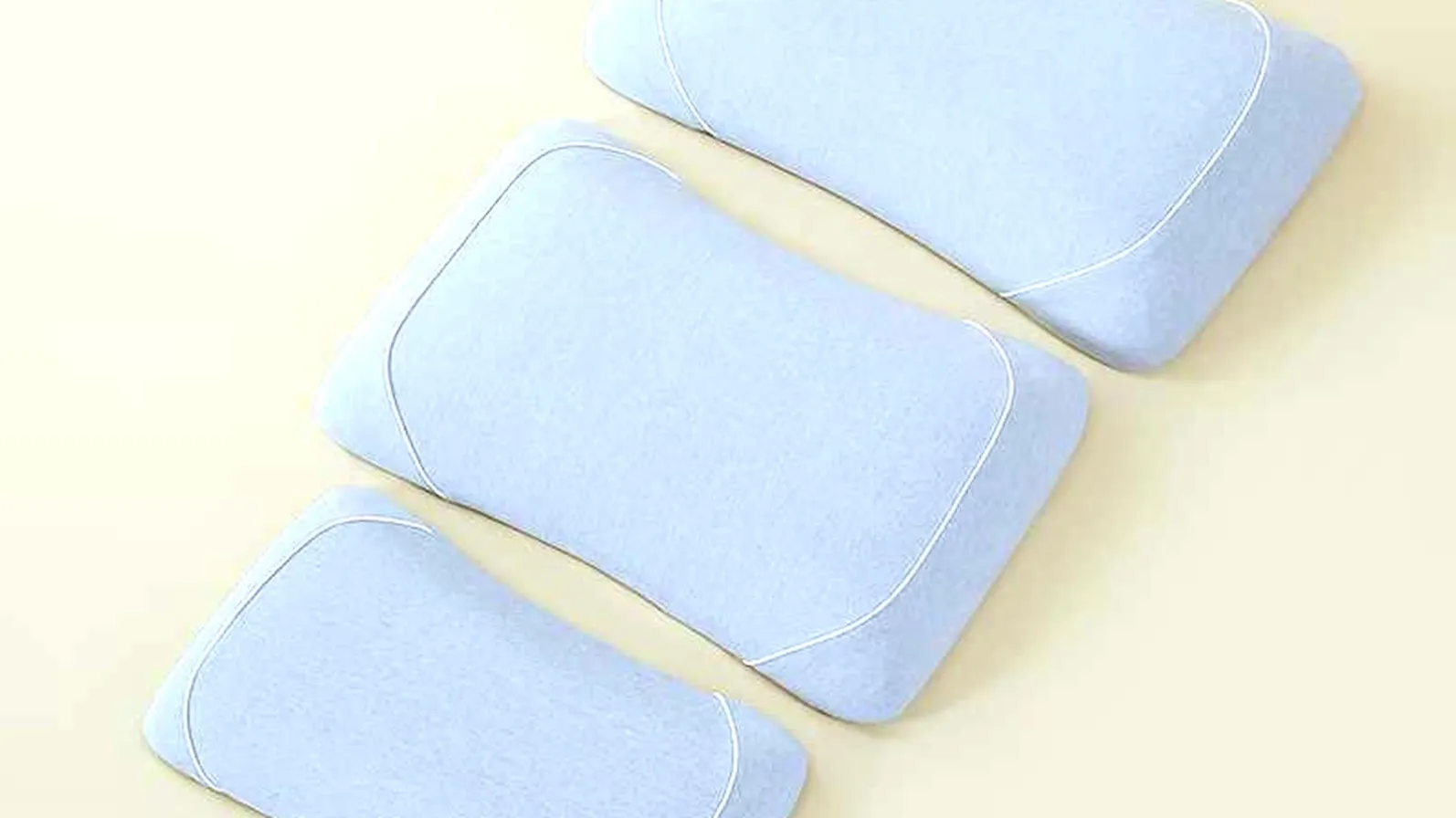
Import duty is the part of landed cost most B2B buyers underestimate, because the rate is not a property of the pillow itself. It depends on three things the buyer controls or negotiates: the destination country, the HS/HTS classification, and the declared customs value. A memory foam pillow that clears US customs at 29 percent total duty can enter the EU at near zero tariff and the Gulf at 5 percent. This article lays out the 2026 rate picture market by market, and the mechanics that move the number. Treat every figure as a starting point to confirm with a licensed customs broker for your specific product and origin — rates, trade remedies and thresholds change, and this is not customs advice.
Why Duty Rate Depends on Where You Land the Goods
Two pillows with identical foam and cover can carry completely different duty bills. The destination market sets the tariff line. The country of origin sets whether trade remedies (like the US Section 301 surcharge on China goods) apply. The declared value plus freight and insurance sets the base the percentage is calculated on. None of these are fixed by the factory, which is exactly why importers should price duty into the RFQ rather than discovering it at the border.
This piece follows the HS-code and customs-document article in this series, which covers how to find the right classification number. Here we answer the next question: once you have the number, what rate does each market actually charge.
The HS/HTS Number Behind a Memory Foam Pillow
Most memory foam pillows classify under heading 9404.21 — pillows, cushions and similar furnishing articles of cellular rubber or plastics. Memory foam is polyurethane, a cellular plastic, so it sits in this heading rather than with ordinary textile cushions. In the US system this is HTS 9404.21.00.00. In the EU and UK it is CN/TARIC 9404 21 00 00. The same six-digit core appears across the GCC, Australia, Canada and Japan because all use the Harmonized System.
The risk is the edge case. A pillow marketed, labeled or packaged as orthopedic, therapeutic or medical-support may be challenged toward heading 9021 (orthopedic appliances), which carries a different rate and can trigger medical-device or FDA-style requirements in some markets. If your listing copy or hangtag implies a medical function, tell your broker before filing — the classification trap is a copywriting problem as much as a customs one.
United States: Base Duty Plus Section 301 and the End of De Minimus
The US base MFN duty on 9404.21 pillows is an ad valorem rate in the low single digits. The real cost for China-origin goods is the Section 301 additional duty. Memory foam pillows were on Section 301 List 3, which carried a successive 10 percent then 25 percent additional duty on top of the base rate. Exclusions have lapsed and renewed in cycles, so a buyer should assume the full additional duty applies unless a current exclusion covers the exact HTS and origin.
A second change matters more than most importers realize. The United States ended the Section 321 de minimis exemption. What used to let individual shipments under 800 US dollars enter duty-free is no longer available — first suspended for China-origin goods in 2025 and then removed for all countries later that year. A small first order or a drop-shipped batch can no longer dodge duty by staying under the threshold. Build duty into every shipment size, not just container loads.
European Union: Low Tariff, High VAT
The EU applies a low or zero MFN tariff on pillows under CN 9404 21 00 00, so the tariff line is often a minor cost for non-China origins. The larger charge is VAT. Each member state applies its standard VAT rate — roughly 19 to 25 percent depending on the country — on the customs value plus duty. Because VAT is recoverable for VAT-registered businesses but a real cash cost for others, the importer's structure determines whether it is a pass-through or a landed-cost hit.
The EU also enforces strict textile labeling and CE marking where applicable, and the EPR end-of-life rules for foam already covered in this series apply to how the product is financed for recycling. None of those are tariffs, but they are part of the true cost of placing goods on the EU market.
United Kingdom: Zero Tariff, 20 Percent VAT
Under the UK Global Tariff, pillows at 9404 21 00 00 generally enter at zero duty, making the UK one of the cheaper major markets for tariff alone. The offset is 20 percent VAT on the imported value, which mirrors the EU model and is recoverable for VAT-registered UK businesses. Importers moving volume into both the EU and UK should note the two are now separate customs territories, so a single EU clearance does not cover UK delivery.
Australia, Canada and Japan: Mid-Range Ad Valorem
These three markets charge a percentage of customs value rather than a flat low rate. Australia applies a general rate on pillows that is often free or low under its tariff schedule, with 10 percent GST on the imported value; the Australia free-trade agreements can reduce duty further for partner-origin goods, though China-origin product is not automatically free. Canada applies an MFN rate on 9404.21 in the mid-single digits, with 5 percent GST, and CUSMA preferences do not help China-origin goods. Japan applies a modest ad valorem duty on pillows, with 10 percent consumption tax on the imported value.
The lesson across all three is consistency: duty scales with declared value, so the freight and insurance you negotiate (and the roll-pack compression that shrinks both) feed directly into the tax base.
Gulf and ASEAN: GCC 5 Percent and Form E Zero
The Gulf Cooperation Council applies a common 5 percent customs duty on most imported goods, including pillows, with value-added tax layered on top at the national rate — 15 percent in Saudi Arabia. This is the same region covered by the SASO and Gulf conformity article in this series, where product conformity and SABER registration are the bigger gate than duty itself.
ASEAN destinations are the opposite story. Under the China-ASEAN Free Trade Area, a properly issued Form E certificate of origin moves qualifying China-origin pillows to zero duty in member states. The Form E mechanism and the documents your supplier must provide are detailed in the dedicated article here; the point for this reference is that ASEAN can be a zero-tariff lane if the paperwork is right and a full-rate lane if it is not.
How Customs Value Is Calculated (CIF Basis)
Most markets assess ad valorem duty on the CIF value — cost, insurance and freight to the port of entry — not on the factory FOB price. A buyer negotiating a lower FOB but a costly air-freight leg can end up with a higher duty base than a competitor who paid more ex-works and shipped roll-packed by sea. Because vacuum roll-pack compression shrinks volume and therefore freight, it indirectly lowers the insured freight element of CIF and the duty on top of it. This is the quiet link between packaging engineering and tariff cost.
Declare the true transaction value. Undervaluing to cut duty is a compliance violation that can void insurance, trigger penalties and destroy the audit trail a B2B buyer needs to defend a landed-cost model.
Classification Traps That Change the Rate
Beyond the orthopedic edge case, three traps shift the rate or the requirements:
- Sets and kits. A pillow bundled with a non-pillow item can be classified by the predominant character or as a mixed set, changing the rate and the documents required. The bundling and kitting article covers how to spec those assemblies.
- Covers sold separately. A pillowcase or protector shipped on its own may classify under a textile heading with a different duty than the pillow. The protectors and pillowcases article covers that product line.
- Material claims. A "gel" or "graphite" layer does not usually move the HTS, but a "cooling therapy" or "pain relief" claim can invite a 9021 challenge. Keep claims defensible, as the health-claims compliance article urges.
A Practical Duty-Cost Worksheet for Buyers
Before committing to a market, build a one-line duty model per destination:
- FOB unit cost from the supplier quote
- Plus ocean or air freight and insurance to port = CIF value
- Times the destination ad valorem rate = import duty
- Plus VAT or GST at the national rate on (CIF + duty) = consumption tax
- Plus any Section 301 or trade-remedy surcharge for the origin
- Equals total duty and tax per unit
Run this for the US, EU, UK, Australia, Canada, Japan and Gulf, and the ranking of cheapest-to-clear markets usually surprises buyers who assumed the US was cheapest because of its low base rate. The Section 301 surcharge and lost de minimis often make the US the most expensive lane for China-origin memory foam pillows.
What to Put in the RFQ and Supplier Agreement
Ask the supplier for the HS/HTS they declare, the factory FOB price, and a packing list that supports a clean CIF build. Request that commercial invoices state the true transaction value and the correct origin, and confirm they can issue Form E for ASEAN shipments and the conformity documents for Gulf markets. Tie delivery terms to Incoterms you control, because who books freight controls the insured value that duty is calculated on.
For volume programs, negotiate duty into the landed-cost conversation rather than the unit price alone. A supplier who ships roll-packed and quotes clean FOB helps you on freight, CIF and the duty stacked on top of it.
If you are planning a memory foam pillow program across multiple markets and want a duty and landed-cost model built for your specific SKUs and origins, contact the sourcing team at +86 137 7374 7840 or email info@pillowcontract.com for a catalog, FOB quote and a per-market duty estimate.


