OEM/ODM Customization for Memory Foam Pillows: MOQ, Tooling, Lead Time and Artwork Specs
A practical B2B guide to customizing memory foam pillows through OEM and ODM: MOQ per style, foam core density and ILD options, cover fabric and colour, sizing and zoning, artwork and packaging, sampl
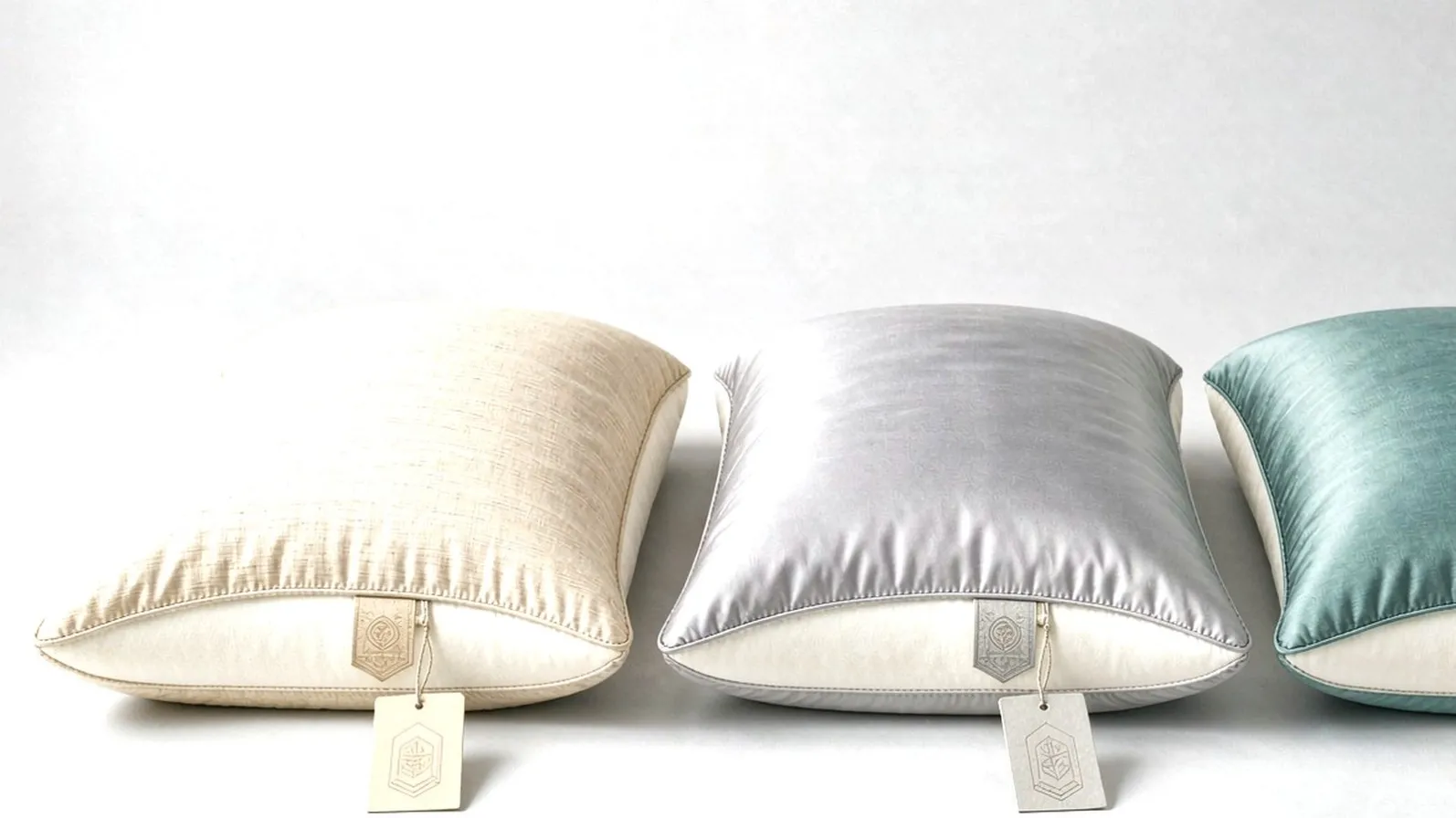
Most importers do not want a generic pillow with a different label. They want a product that fits their market, their price tier, and their brand — without running a foam factory. That is what OEM and ODM customization delivers, and for memory foam pillows the range of options is wider than many buyers expect. This guide walks through exactly what can be customized, the minimum order quantities involved, how tooling and sampling work, and the specification sheet you should send before a purchase order is placed.
OEM vs ODM: What the Buyer Actually Controls
OEM (Original Equipment Manufacturer) means you supply the design inputs — foam grade, shape, dimensions, cover, and packaging — and the factory builds to your spec. ODM (Original Design Manufacturer) means the factory provides a proven base design that you adapt through colour, cover, logo, and minor shape changes. For memory foam pillows the practical difference is how much of the product is your intellectual property versus the factory's existing tooling.
A buyer importing under their own brand usually lands somewhere between the two: an ODM base shape modified with a custom cover and private-label packaging is the most common and the fastest to launch. A buyer with a patented contour or a specific orthopedic brief needs true OEM and should expect more engineering back-and-forth.
Minimum Order Quantity: 50 Pcs per Style
The entry MOQ for a custom memory foam pillow is 50 pieces per style. A style is one combination of shape, foam grade, and cover; changing the cover colour or the foam density counts as a new style and carries its own MOQ. This low threshold exists because the foam is cut from block rather than injected, so there is no hard tooling cost for the core itself — the constraint is labour, cutting setup, and cover fabric roll minimums, not mould investment.
For a first order, most buyers take two or three styles at 50 pcs each to test the range, then consolidate into a larger repeat once sell-through is confirmed. Roll-packed vacuum compression keeps that small first order cheap to ship, which is the whole point of a low MOQ: the freight and warehouse risk stay small while the market is still unproven.
Foam Core Customization: Density, ILD, and Shape
The core is where the product's feel and price are decided. Three variables matter most to a B2B buyer.
Density is the mass per cubic metre of the polyurethane, typically 45D or 50D for pillows. Higher density holds its shape longer and supports a higher price point. ILD (Indentation Load Deflection) is the firmness number — lower ILD is softer, higher is firmer — and it is the spec most often miscommunicated, so it belongs on every PO. Shape ranges from a simple rectangle to contoured cervical profiles and shredded-fill constructions, each cut from slab rather than moulded.
Because the core is cut, not moulded, a new shape is a cutting-program change rather than a tooling purchase. That keeps custom shapes affordable even at low volume, and it is the main reason memory foam is easier to customize than many other cushion categories.
Cover Fabric and Colour Options
The cover is the most visible customization and the cheapest to change. The three covers B2B buyers ask for most are bamboo fiber, cooling ice silk, and Tencel (lyocell). Bamboo reads as natural and breathable; ice silk delivers an immediate cool-to-touch hand for the hot-sleeper segment; Tencel is the technically consistent, moisture-neutral premium option. Colour is open within the mill's yarn range, and zip placement, piping, and label loops are all adjustable at low cost.
Skin-contact textiles carry their own compliance load, so a custom cover should ship with OEKO-TEX Standard 100 on the finished fabric, independent of the foam's CertiPUR-US status. Specifying the exact fibre and finish up front prevents a costly re-run if the claim on the packaging does not match the fabric.
Sizing, Loft and Zoning
Standard sizes — 60×40 cm, 70×40 cm, and 80×50 cm — are the fastest to produce because cutting templates already exist. Custom dimensions are straightforward but should be confirmed against the block width to avoid foam waste. Loft, the pillow's height, is set by core thickness and is the lever most tied to regional preference: Asian markets tend toward lower loft, North American and European markets toward higher.
Zoning — a firmer centre with a softer crown, or a contoured neck roll — is achieved by bonding two foam grades or by cutting a profile. It is a genuine differentiator for cervical and orthopedic SKUs and one worth specifying precisely, because loft and zone feel are exactly what a returning customer remembers.
Artwork, Logo and Packaging
Private-label branding rides on three surfaces: the woven label inside the cover, the printed insert card, and the retail or roll-pack outer bag. A clean artwork handoff is a vector logo, a Pantone or CMYK reference, and the exact placement on each surface. Cover labels are usually woven or heat-pressed; outer bags are printed.
Roll-packed vacuum compression is the default for freight savings: the pillow is compressed and rolled into a 20×20×41 cm carton, cutting volume by roughly 60 percent versus a loose pillow. That compression is also the packaging the end customer receives, so the printed outer bag is both a logistics and a branding asset. Confirm the bag artwork before the first production run, because reprinting bags mid-order is slow and expensive.
Sampling and Production Lead Time
A custom sample lead time runs 7 to 10 days from an approved spec — faster when the base shape is an existing ODM item, longer when the core or cover is novel. The sample is the moment to lock feel, loft, and cover hand; approving it without a physical check is the most common cause of a disappointing mass run.
Production lead time for a confirmed order sits around 20 to 30 days after sample sign-off, then compression, bagging, and carton packing add a few days before the goods reach the port. Building the calendar backward from a launch or selling season avoids the premium air-freight panic that eats the margin a low MOQ was meant to protect.
Certifications Buyers Require
For Western retail and marketplace channels, two certificates do most of the work. CertiPUR-US covers the polyurethane foam — low VOC, no prohibited phthalates, and controlled emissions — and it is the certificate most North American buyers ask for by name. OEKO-TEX Standard 100 covers every textile layer against harmful substances and is effectively mandatory for the EU. REACH documentation backs both for chemical compliance.
Request the certificate numbers and the tested article description, not just a logo, and keep them in the product file. Marketplaces and large retailers audit these, and a missing certificate number is a faster route to a takedown than a quality complaint.
How to Write a Custom Pillow PO Spec
A clean specification sheet prevents most production disputes. Include, at minimum: shape and exact dimensions, foam density and ILD, cover fabric and colour with the OEKO-TEX article reference, zip and label placement, loft tolerance, packing method (roll-packed dimensions), carton quantity, target certificate set, and the approved sample ID. Attach the artwork as vector files with colour references.
Send this before the PO, not after. The factory quotes against the spec, samples against the spec, and produces against the spec; when all three align, the only variable left is the one you intended to change.
Conclusion
Customizing memory foam pillows is less about tooling and more about disciplined specification: a 50-piece MOQ per style, a cut core you can shape freely, a cover you can brand and certify, and a roll-pack that keeps freight small. The buyers who scale are the ones who treat the spec sheet as the product and the pillow as its outcome. For a custom pillow program built around your market and your brand, contact the PillowContract team at +86 137 7374 7840 or info@pillowcontract.com to review foam grade, cover options, and a sample lead time for your first 50-piece style.


