Memory Foam Pillow Protectors and Pillowcases: A B2B Wholesale Supply and Spec Guide
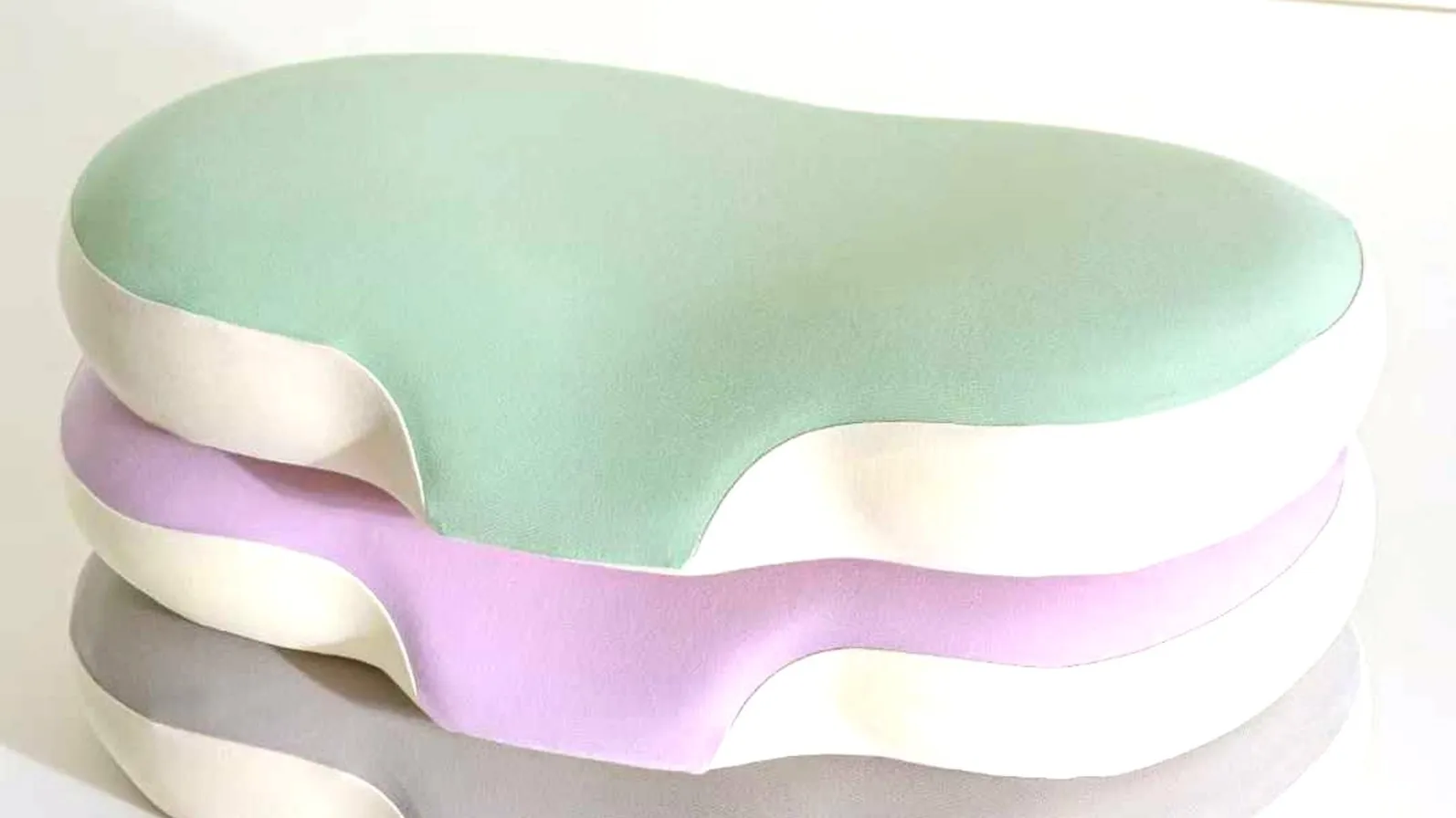
A hotel procurement manager asked a question that comes up constantly but rarely gets a clear answer: we buy your pillows, but can we also buy the protectors and cases as a separate line? The answer is yes, and it is a distinct product category with its own materials, sizes, and quality rules. A protector is not a pillowcase, and a case is not a cover. This guide walks through how B2B buyers should specify, source, and quality-check pillow protectors and pillowcases so the add-on line earns margin instead of generating returns.
Protector versus pillowcase: two different products
The first step is naming the item correctly, because the spec and the buyer are different.
A pillow protector is a functional barrier. It sits between the pillow's original cover and the outside world, and its job is to block liquid, dust, and allergens. Most protectors are zippered and fully enclosed, and the better ones are waterproof yet breathable. Buyers in hotels, care homes, and medical settings buy protectors by the thousand because they extend the life of the pillow and protect it through repeated commercial laundering.
A pillowcase is the decorative, replaceable outer layer. It is what the guest sees and what gets changed with the linen. Cases are usually an envelope or an open end, not a zipper, and they are chosen for feel, color, and brand look rather than for barrier function. Retailers and hotels buy cases to match a program, not to protect the foam.
Confusing the two is the most common spec error we see. A buyer who asks for "waterproof cases" gets a product that either does not breathe or does not close, and the laundry cycle tells the story in a month.
Why B2B buyers source protectors separately
There are four repeat reasons a buyer adds protectors or cases to a pillow program:
- Hospitality: hotels need a zippered waterproof layer under the linen to survive daily turnover and commercial wash.
- Healthcare and care homes: infection-control protocols require a barrier that can be wiped or washed at higher temperatures.
- Retail and e-commerce: a branded case turns a plain pillow into a complete, giftable product and lifts average order value.
- Student housing, dormitories, and rentals: a durable protector protects the asset across many occupants.
In each case the protector or case is purchased and stocked separately from the pillow, which is why MOQ, packaging, and lead time matter as their own line items rather than as an afterthought to the pillow order.
Protector materials and constructions
A waterproof protector lives or dies on its membrane. The standard is a polyurethane (TPU) laminate bonded to a knit or woven face. TPU breathes better and feels less plastic than older PVC films, and it survives more wash cycles without cracking. The face fabric is usually polyester terry, cotton terry, or a bamboo blend, chosen for absorbency and hand-feel.
Construction details that separate a good protector from a cheap one:
- A full zipper enclosure that fully seals the pillow, with a fabric flap over the zipper so liquid cannot track in at the seam.
- A bound or welded seam rather than a raw stitched edge, which is where low-end protectors leak.
- A labeled side (top versus bottom) only if the buyer needs it; most do not.
- A depth that matches the loft, because a protector that is too shallow pops the zipper on a high-loft memory foam pillow.
For buyers in humid or tropical markets, pair the protector spec with the pillow spec: a breathable TPU plus a ventilated foam core keeps the sleep surface from trapping heat, which is the same logic we apply when specifying cooling pillows for hot climates.
Pillowcase materials for memory foam
When the buyer wants a case rather than a barrier, the fabric choice follows the pillow's own cover logic. Bamboo viscose and cooling ice-silk cases feel cool to the touch and suit warm sleepers. Tencel cases drape well and resist pilling through many washes. Cotton and poly-cotton cases are the value workhorses for high-turnover hospitality use.
The one rule that protects the buyer: the case must be sized to the pillow's compressed and uncompressed dimensions, not just the listed size. A memory foam pillow that rolls or folds for shipping expands after opening, and a case cut to the flat shipping size will never fit the lofted pillow. Ask the supplier for the lofted dimensions and cut the case to those.
Sizing and fit: matching the protector to the pillow
Memory foam pillows do not come in one shape. A standard rectangular pillow, a contoured cervical pillow, and a shredded-foam adjustable pillow each need a different protector cut. The spec should state:
- The pillow's lofted length, width, and height (not the rolled shipping size).
- Whether the shape is rectangular, contoured, or curved, so the supplier cuts the right panel.
- The closure type: zippered full enclosure for protectors, envelope or open end for cases.
- The tolerance, because a protector that is 2 cm too tight will fail at the zipper on the first fill.
Most factories stock standard-size protector patterns (standard, queen, king) and can cut custom shapes for contoured pillows at a higher MOQ. Tell the factory the pillow shape up front so the pattern is right the first time.
Certifications that matter for protectors
The certificate set is shorter than for the foam but still worth requesting by number:
- OEKO-TEX STANDARD 100 on the fabric and membrane, confirming tested absence of harmful substances. This is the baseline for EU and many retail buyers.
- A documented waterproof rating and a breathability or vapor-transmission result, ideally from a test report rather than a claim on the page.
- A stated wash-cycle count before failure, which is the number that predicts real lifespan.
- Where an antimicrobial finish is applied, request the treatment name and the relevant registration or certification, and keep the claim proportional. A finish that reduces odor is defensible; a finish described as killing pathogens in a medical sense crosses into a regulated claim and should be screened the same way we screen health claims on the pillow itself.
Request the certificate number and expiry for each, not just a logo on the spec sheet.
Wash durability and lifecycle
For hospitality and healthcare, wash durability is the whole game. A protector rated for 50 commercial washes at 60 to 90 degrees Celsius outlasts one rated for 20 home washes, and the price difference is small against the replacement cost. Ask for the wash-count rating and, where possible, a reference to the test method.
A practical buying rule: size the protector program to the pillow replacement cycle. If the pillow is replaced every 18 to 24 months, the protector should be rated for at least that many wash cycles so the two expire together rather than the protector failing mid-life and forcing a partial re-buy.
MOQ, packaging, and roll-pack
Protectors and cases are lightweight and flat, so they are cheap to ship and easy to roll-pack alongside the pillow. Many buyers ship the protector inside the pillow's own vacuum roll, which adds almost no freight. Others stock cases separately in polybags by size and color.
MOQ is usually lower than the pillow MOQ because the product is simple, often starting around 50 to 100 pieces per size or color, with custom-printed cases needing a higher minimum for the artwork. Confirm whether the MOQ is per size or per color, because a three-size, three-color program can triple the effective minimum if the factory counts each variant separately.
How to specify in an RFQ
Build the protector and case line into the request for quotation as its own section so the factory quotes what you will actually stock:
- Product type: zippered waterproof protector, or decorative case.
- Material: TPU laminate with terry face, or bamboo, cooling, Tencel, or cotton case.
- Size and shape: lofted dimensions and contour type of the pillow it fits.
- Closure and seam: full zipper with flap, bound seam.
- Certifications: OEKO-TEX STANDARD 100 number, waterproof rating, wash-cycle count.
- Packaging: polybag by size, or packed inside the pillow roll.
- MOQ per size and per color, and lead time.
A supplier who returns this list filled in is one you can stock with confidence. One who quotes "standard protector" with no dimensions or certifications is telling you the spec is not under control.
Cost reality
Protectors and cases are a high-margin add-on precisely because they are simple. A basic TPU protector costs a fraction of the pillow, and a branded case costs little more, yet both let you present a complete product and protect the asset. The economics work best when the protector is specified with the pillow order so it ships in the same carton, and when the MOQ is consolidated across sizes rather than ordered one variant at a time.
If the protector is part of your range plan, specify it in the same RFQ as the pillow. Confirm the dimensions against the lofted pillow, request the wash-cycle rating before the golden sample, and keep the certificate with the shipment so the claim survives a retailer audit.
Where to start
Pick the protector or case type that fits your channel, request the matching certificates, and write the dimensions against the lofted pillow rather than the shipping size. We keep a range of TPU waterproof protectors and bamboo, cooling, and Tencel cases cut to standard and contoured memory foam sizes, with OEKO-TEX certified fabrics and wash-cycle ratings on file, and we can quote FOB on a roll-packed assortment sized to your MOQ. Reach the team at +86 137 7374 7840 or info@pillowcontract.com to request the catalog and a FOB quote, or send your pillow dimensions and we will match a protector and case set to them.


