Memory Foam Pillows by Sleep Position: A Range-Planning Guide for Sellers
How sleep position determines the right memory foam pillow loft and firmness, and how retailers and brands can turn that into an advisory range that lifts conversion and cuts returns.
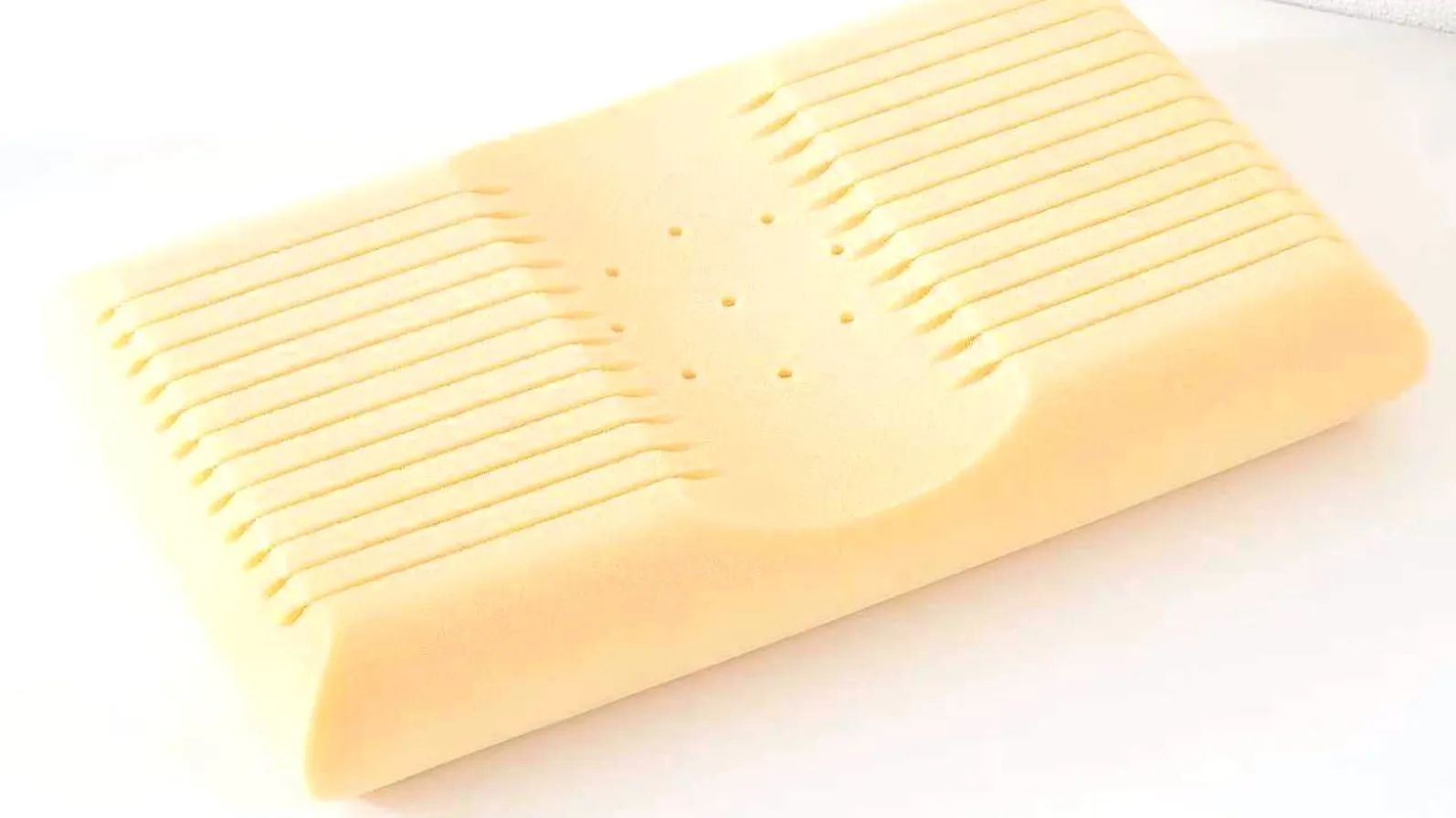
Most pillow shoppers cannot name their pillow's loft, but every one of them knows whether they sleep on their side, back or stomach. Sleep position is the single easiest advisory tool a seller has: it converts a vague request for "a good pillow" into a specific recommendation, and it is the fastest way to lift conversion while cutting returns. This guide maps each sleep position to the construction that fits it, then turns that mapping into a range plan.
Side Sleepers: The Volume Buyers
Side sleeping is the most common position and the most demanding on a pillow. The pillow must fill the gap between the shoulder and the head, which typically means a higher loft - roughly 11-14 cm of compressed height - with a firmer support zone under the neck. Wave-shaped and contour pillows exist for exactly this buyer.
What to stock: contour memory foam pillows in two heights rather than one. The taller wave suits broad shoulders, the lower one suits smaller frames. When a side sleeper complains a pillow is "too soft," the real cause is almost always insufficient loft.
Back Sleepers: The Middle Band
Back sleepers need the head supported without the chin pushed toward the chest. A medium loft of around 8-11 cm with a gentle neck contour works for most. This is the largest single SKU opportunity because the spec is forgiving - a well-made medium pillow satisfies a wide band of body types.
What to stock: a classic medium contour or a low-wave model. Avoid ultra-high lofts in this band; they are the top cause of "neck felt bent" complaints from back sleepers.
Stomach Sleepers: The Underserved Minority
Stomach sleeping is the least common position and the hardest to fit. These sleepers need the lowest loft available - under 8 cm - and the softest feel, so the neck stays flat rather than craned upward. Very few retailers stock anything for them, which makes the shelf space cheap to win.
What to stock: a low-profile soft pillow, marketed explicitly for stomach sleepers. It is a small SKU with loyal buyers and almost no competition on the shelf.
Combination Sleepers: Sell Adjustability
Customers who shift positions overnight are the natural market for shredded memory foam pillows. Fill can be added or removed until the loft matches whatever position they land in. This one SKU covers all four sleeper types, which is why it performs so well online where advice is limited to a listing.
What to stock: an adjustable shredded pillow with a clear "add or remove fill" message on the packaging.
Turning the Map Into a Range
A compact, advisory-driven range needs only four SKUs: a two-height contour pair for side sleepers, a medium classic for back sleepers, a low-profile soft for stomach sleepers, and an adjustable shredded pillow for everyone else. Print a simple position-to-pillow chart for packaging and listings - it gives retail staff a script and gives online buyers self-service guidance.
Suppliers who mould their own cores can supply the same pillow platform in multiple loft bands, which keeps the range consistent in feel while covering every sleeper type.
PillowContract Industrial Co., Ltd. produces contour, classic, low-profile and adjustable shredded memory foam pillows across loft bands, available for OEM branding from 500 units. WhatsApp +86 137 7374 7840 for the loft-band spec sheet and samples.


