Memory Foam Pillow Programs for Student Housing and Dormitory Buyers
How student housing operators, universities and dormitory suppliers buy memory foam pillows: durability specs, fire compliance, per-bed quantities, annual turnover waves and contract structure.
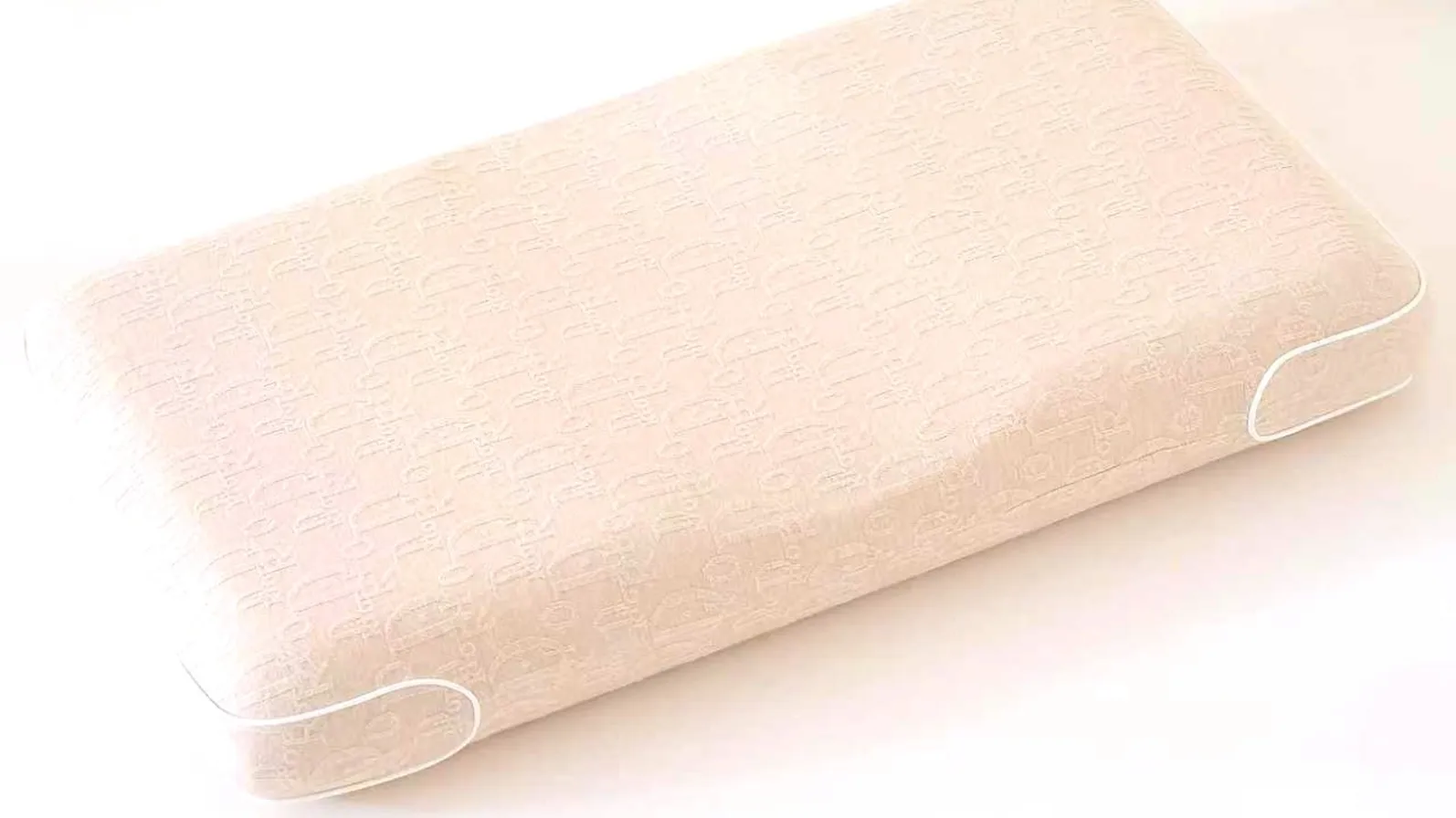
Student housing is the quiet volume channel in bedding. A mid-size university turns over thousands of beds every academic year; private student accommodation operators manage portfolios measured in the tens of thousands of beds; and every one of those beds needs a pillow that survives a year of heavy, careless use on a fixed budget. The channel buys on contract, not on impulse - and it rewards suppliers who understand institutional purchasing.
Who Actually Buys
Three buyer types dominate. University and college housing departments purchase through tenders with published specifications. Purpose-built student accommodation (PBSA) operators buy on annual contracts across their portfolios, usually centrally. And dormitory furniture and bedding suppliers resell to schools and boarding institutions, aggregating many small tenders into larger factory orders. Each type cares about the same three things: compliance paperwork, per-bed cost, and delivery that matches the academic calendar.
Specifications That Fit Dormitory Reality
Student use is the heaviest civilian use a pillow will ever see - and cleaning is centralized, not gentle. The spec priorities, in order:
- Durable construction over premium feel: medium-density cores with reinforced seams outlast luxury softness in this channel
- Machine-washable covers rated for industrial laundering, zippers built for repeated cycles
- Compliance first: dormitories in many markets sit under stricter fire regulations than private homes, so the flammability certificate for the destination country belongs in the tender file, not in a follow-up email
- Consistent spec across thousands of units, because one soft batch in a residence hall generates complaints across floors
A standard retail pillow fails the first and third points. Program-grade dormitory pillows are built and documented for them.
Quantities and the Academic Calendar
Counting is simple: one to two pillows per bed, plus a turnover reserve of five to ten percent. The timing is everything - orders land in the eight weeks before the academic year starts, which makes August and September the busiest window in the channel. Operators who order early get production slots; operators who order in August get whatever capacity is left. Vacuum-packed cartons matter doubly here: they compress the pre-year delivery window and make room-by-room distribution practical, because a single carton can serve one floor of a residence hall.
Structuring the Program
Institutional buyers reward suppliers who make the second year easy. A practical program locks the specification and price for the contract term, ships cartons labelled by building and room, documents compliance per destination, and holds capacity for the annual wave. Mixed SKUs are common: a standard pillow across most rooms and a firmer contour option for graduate or staff housing. For suppliers, the channel is quieter than retail but stickier - a supplier who survives one academic cycle usually keeps the account for years.
PillowContract Industrial Co., Ltd. supplies dormitory-grade memory foam pillows with compliance documentation, per-carton distribution labelling and annual-cycle capacity planning, from institutional order volumes. WhatsApp +86 137 7374 7840 to quote a student housing program.


