100-Night Sleep Trials for Pillow Brands: Costs, Returns and Operations
How a pillow sleep trial really works: expected return rates, the true cost of a returned pillow, trial policy design, and the product choices that keep trial programs profitable.
Sleep trials started with mattresses and have spread to every product in the bedding aisle. Pillows copied the format - try it for 30, 100 nights, return it free - but the economics are completely different, and brands that copy mattress trial rules onto pillows usually lose money on every claim. This guide breaks down what a pillow trial actually costs and how to design one that sells instead of bleeds.
Why Pillow Trials Behave Differently
A mattress costs hundreds of dollars and returns are a big, painful event, so customers hesitate before claiming. A pillow costs a tenth of that and ships in a small box, so the psychological barrier to a return claim is far lower. Expect pillow return rates of roughly three to eight percent on DTC channels - lower than mattresses, but multiplied by volume and by the fact that many claimants never ship the pillow back at all.
The second difference is hygiene. A returned mattress can be inspected, sanitised and resold through an outlet channel in many markets. A used pillow almost never can. Plan for the fact that a large share of trial returns are write-offs or donations, not resales.
The Real Cost of One Trial Return
Add the components up before setting policy: outbound shipping already spent, return shipping or a prepaid label, inspection labour, the lost product value when the pillow cannot be resold, and the disposal or donation logistics. For a mid-price memory foam pillow this routinely lands between a third and a half of the retail price per claimed return. That is the number the trial policy has to survive.
Designing the Policy
Three decisions shape everything. First, refund versus replacement: offering a one-time free replacement model rather than a refund stops serial claimers and often satisfies the customer whose pillow simply had the wrong loft. Second, keep-the-pillow refunds: for products under a certain price, refunding without a return is cheaper than processing one - and it buys goodwill that converts into reviews. Third, the adjustment window: many comfort complaints arrive in the first two weeks as customers adapt to memory foam. A policy that offers a free loft adjustment or exchange in week one and a refund later filters impulse claims from genuine mismatches.
Product Choices That Shrink Trial Risk
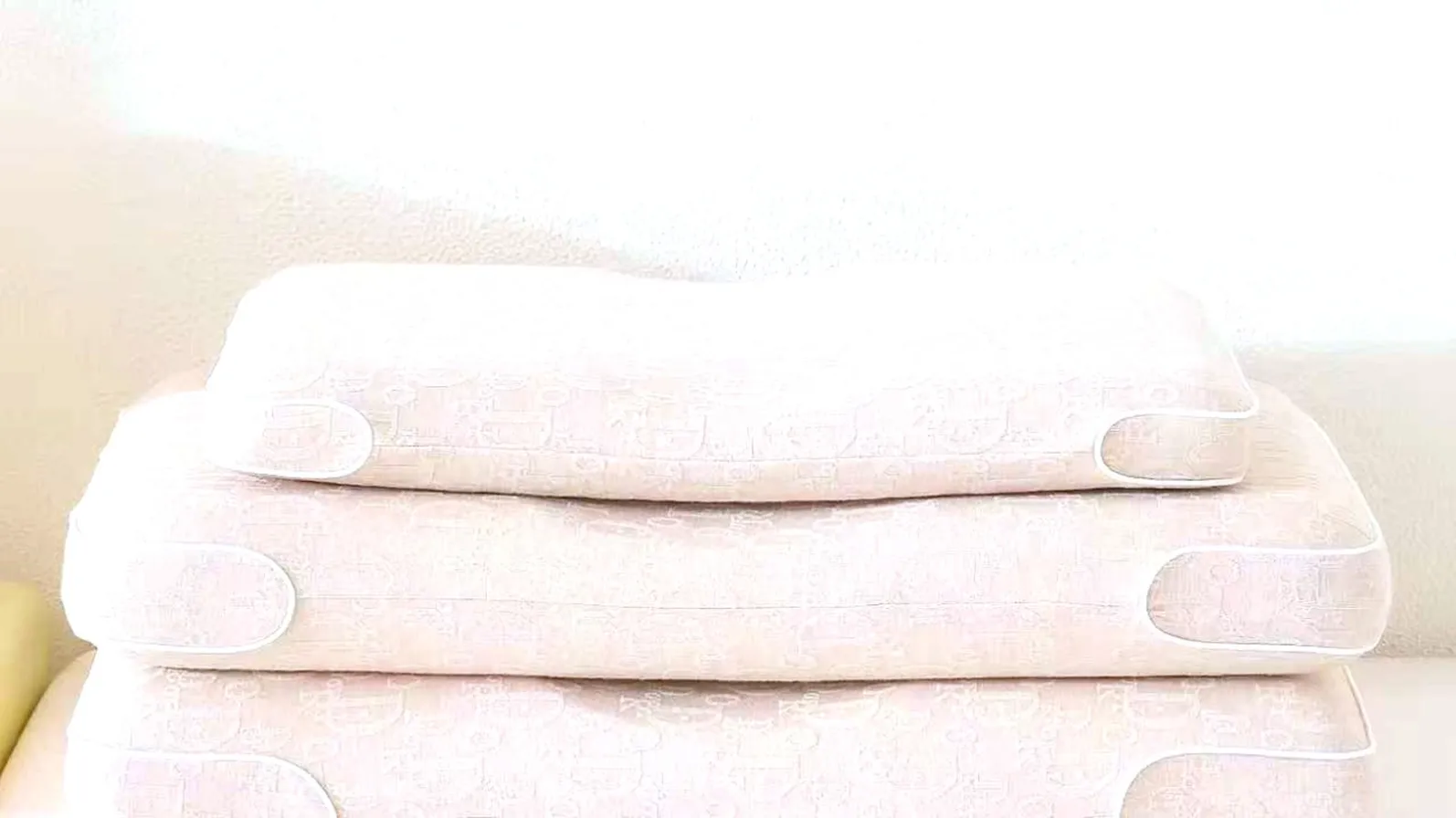
The cheapest return is the one that never happens. Adjustable shredded pillows resolve most "too high" and "too flat" complaints in the customer's own hands, which is why they carry the lowest return rates in the category. Offering a two-height contour lineup gives side and back sleepers a self-selected fit instead of a refund conversation. Clear loft charts on the product page and a size-guide email after purchase remove the mismatch before it ships.
Suppliers who mould multiple loft bands and produce adjustable-fill designs let a brand run a full trial-friendly range without inventing new SKUs.
Operations Checklist
Before launching a trial: define the claim channel and response time, print the trial and hygiene policy on the box, set a return-authorisation flow with reason codes, arrange a donation partner for unsellable returns, and review reason codes monthly - the top reason should trigger a product fix, not just a refund. A trial program is a data source about your product; treat it like one and the return rate falls every quarter.
PillowContract Industrial Co., Ltd. supplies the adjustable and multi-loft pillow platforms that keep sleep-trial programs profitable, with OEM branding from 500 units. WhatsApp +86 137 7374 7840 to spec a trial-ready range.


