The End of $800 De Minimis: How US-Bound Pillow Sellers Rebuilt Their Freight Model
Why the August 2025 suspension of the US de minimis exemption broke the small-parcel pillow model, what entry costs look like now, and the consolidated freight model that replaced it.
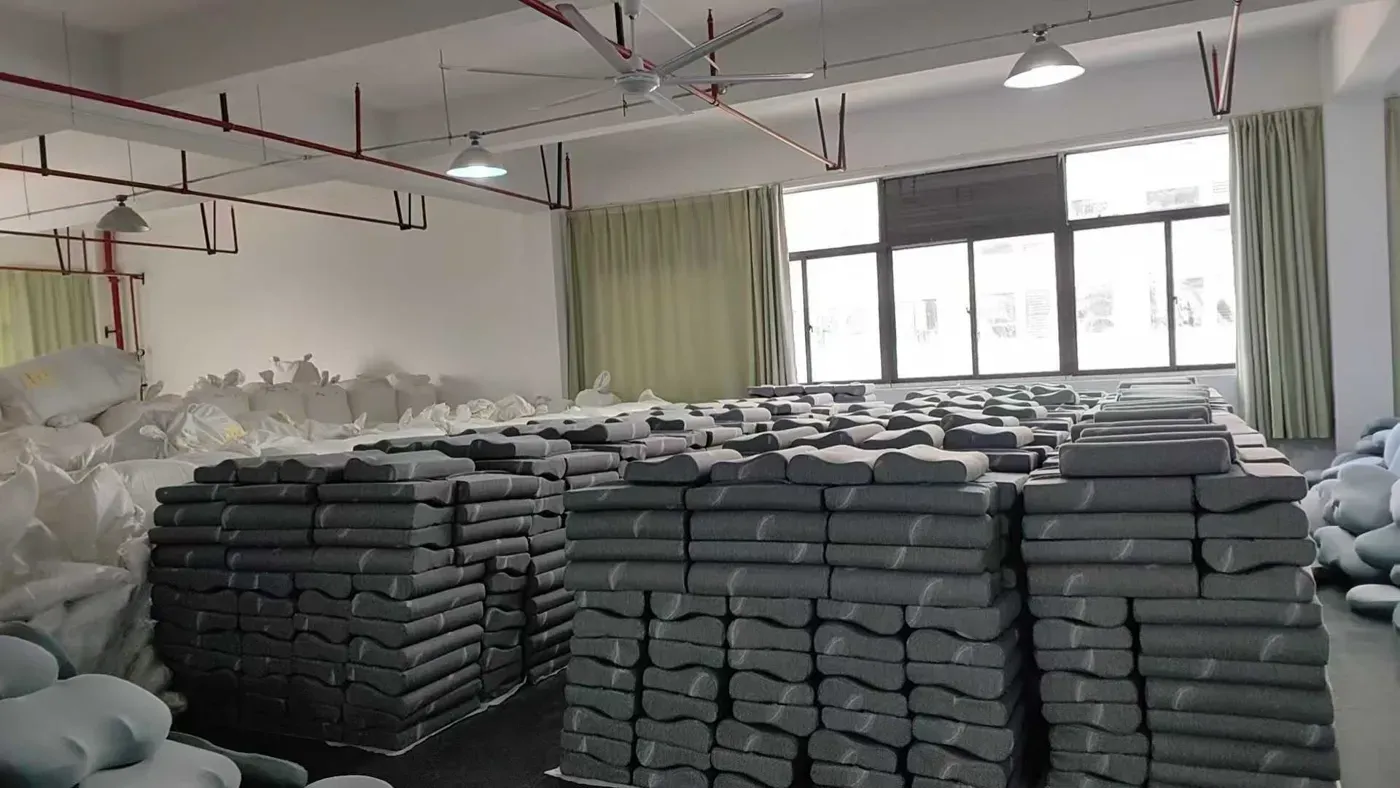
For most of the last decade, the United States was the easiest large market in the world to ship a pillow into. A customer in Texas ordered, a parcel left a warehouse in China, the $800 de minimis exemption waved it through customs, and nobody paid a cent of duty. That model ended on August 29, 2025, when the de minimis exemption was suspended for all countries — and pillow sellers are still discovering what it means from their refund queues, their repriced listings, and their customs brokers' invoices.
What actually broke
Section 321 used to clear any shipment under $800 without duties or formal paperwork. An entire D2C ecosystem was built on that clause: dropshipped pillow orders, marketplace restocks, sample parcels, replacement pillows shipped individually to end customers. With the exemption suspended, every parcel needs an entry, and duties, CBP processing fees and brokerage charges get collected before the box moves.
Run the arithmetic on a typical order and the problem is obvious. A $19 memory foam pillow with $9 shipping now carries entry processing, brokerage and duty that can total more than the product margin — on some lanes the fees alone approach the freight cost. Delivery times stretched too, because parcels queued for clearance that never used to be inspected at all. Sellers who tried to absorb it per-parcel did the math somewhere around the third refund complaint.
What entry looks like now
Nothing exotic changed at the border — what changed is who the paperwork touches. Parcels now move under informal entries for lower values or formal entries above the threshold, and in both cases duty is collected. The CBP processing fee applies to informal entries, brokers charge per parcel or per manifest, and the postal channel went through its own period of suspension and renegotiation with carriers collecting duties on delivery. None of this is fatal. All of it is multiplied by every parcel you send.
Which is the whole point: the cost structure now punishes frequency. A hundred parcels each paying entry fees is a hundred times the paperwork and a hundred times the minimum charges. One container entry is once.
The model that replaced it
The sellers still profitable in 2026 have consolidated. One freight shipment of vacuum-packed pillows clears US customs with a single broker entry, lands in a US fulfilment partner's warehouse, and domestic orders ship from inside the country. The entry fee, the duty and the brokerage get amortized across thousands of units instead of paid per order. Samples and urgent top-ups still fly — as formal entries now, priced accordingly and invoiced honestly.
The transition hurts once: you need a broker, a fulfilment partner, and inventory sitting on the other side of the Pacific before it sells. That is working capital, and it is the price of staying in the market. Sellers who made the move early are shipping domestic parcels from US stock with next-day delivery — a service improvement the de minimis era never offered.
Duty planning for the container
Memory foam pillows generally classify under HTS heading 9404.90, articles of bedding and similar furnishing. The base MFN rate is modest; the Section 301 additional duties on goods of Chinese origin apply on top, and the applicable rate depends on the list your HTS line falls under. Rates have moved more than once, so have the broker confirm the current rate for your line before quoting landed cost. If your product construction is unusual, CBP's public CROSS database contains prior rulings that can settle the classification question before it becomes a back-duty dispute.
The next quiet change to watch
Several states — California, Oregon, Colorado and Maine among them — are phasing in extended producer responsibility for packaging, which shifts packaging disposal costs onto brand owners over the coming years. For a pillow brand, the master carton and the polybag eventually carry a fee by weight. Nobody needs to redesign packaging this quarter, but a US program built in 2026 should keep packaging minimal on purpose.
The sellers thriving after de minimis are not the ones paying the least duty. They are the ones who stopped making the border a per-order event.
PillowContract ships vacuum-packed pillow programs into the US under consolidated freight — one entry, one broker, US-based distribution — with duty planning in the quotation. WhatsApp +86 137 7374 7840 for a landed-cost comparison between your parcel model and a consolidated one.


