Quoting 10, 30 and 100 Pieces: How Small-Tier Pillow Pricing Really Works
More hotel buyers now ask for unit prices at 10, 30 and 100 pieces alongside samples. What drives the tier ladder, what an honest spread looks like, and how to structure the reply.
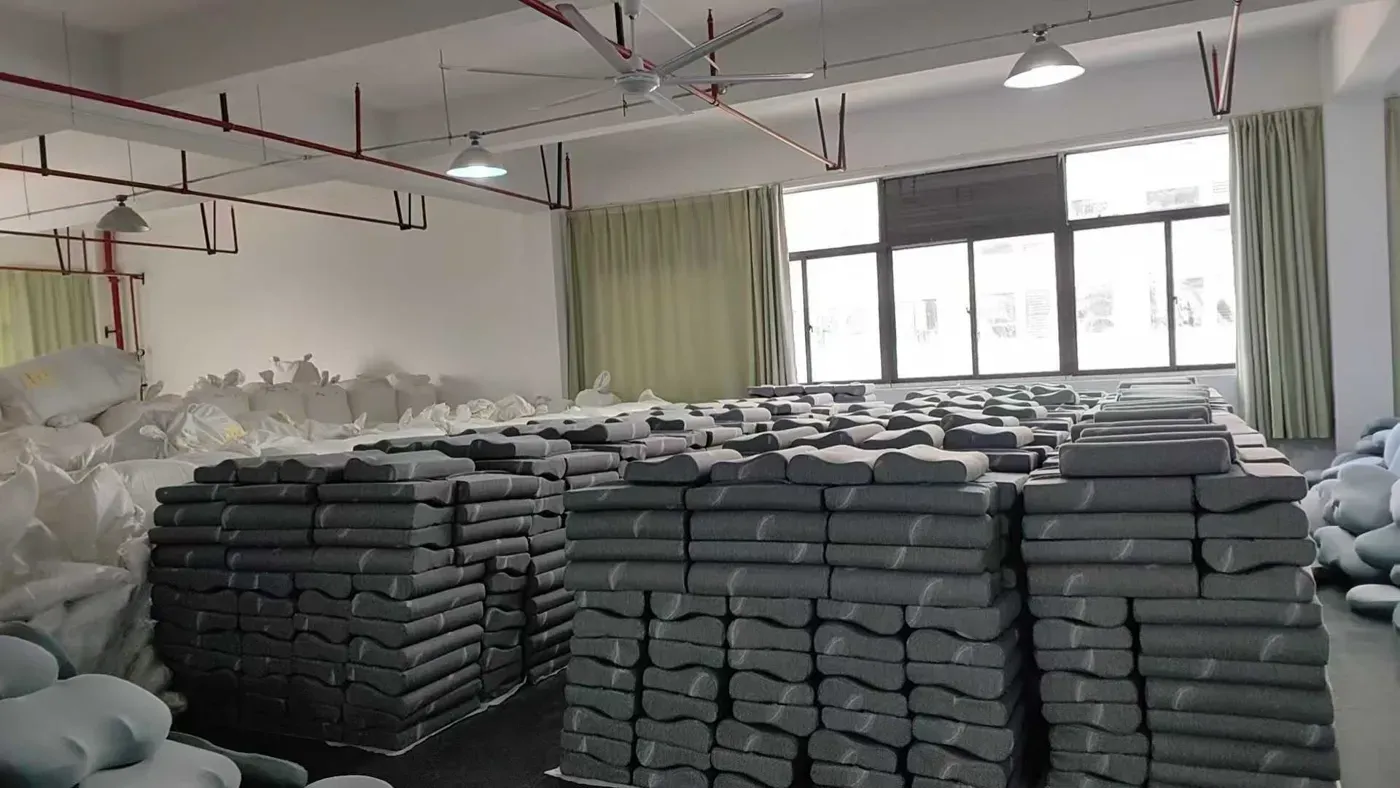
A recent hotel inquiry asked for unit prices at 10, 30 and 100 pieces — alongside the sample price for one or two. The buyer was not haggling. They were mapping a decision: trial a few pillows in one property, expand to a wing if the guest feedback holds, contract the property if it holds again. The tier request is the structure of their rollout, and the quotation that ignores it answers a negotiation that is not happening.
What drives the ladder
The difference between the 10-piece price and the 100-piece price is mostly fixed cost amortisation, not materials. Cutting a foam slab to size, setting the sewing line, changing thread and zipper stock, packing configuration — those steps cost roughly the same whether the run is ten units or a hundred. Spread across ten pillows, the setup is heavy; spread across a hundred, it fades. Materials themselves barely move at these quantities — foam is cut from the same slab either way.
Which is why an honest spread between 10 and 100 pieces is usually fifteen to twenty-five percent, not the fifty percent that fantasy quotations promise. A supplier quoting a dramatic drop from the 10-piece tier is either planning to substitute materials at volume or pricing the small tier as a loss leader to be renegotiated later. Buyers who have been through this recognise both moves.
The sample price and its relationship to the ladder
Sample pricing for one or two pieces runs above the 10-piece tier — commonly one and a half to two and a half times — because a sample is made outside production flow: one cover sewn, one foam cut, one worker on a task the line normally runs in batches. Some suppliers credit the sample cost against the first order; stating whether you do, unprompted, removes a question from the buyer's list. Sample shipping quotes separately by courier, since samples move by air while the order will move by sea or land.
The reply structure the buyer asked for
The same inquiry ended with a line worth copying into every quotation: "Please reply with your best option first, followed by alternatives." Lead with the configuration you would recommend for their stated use, priced at all three tiers, with MOQ and lead times beside each price. Alternatives — a second cover option, an adjustable variant — follow, clearly secondary. A quotation organised in the buyer's decision order gets forwarded to the decision-maker as-is; one organised in the supplier's convenience gets summarised, and summaries lose details.


