The Pillowcase Decides: Sizing Pillows to Fit a 21 x 35 Inch Case
A hotel buyer specified that pillows must fit a 21 x 35 inch pillowcase. Why pillowcase fit, not factory standard, is the real sizing constraint — and what to state in a quote so it survives the trial
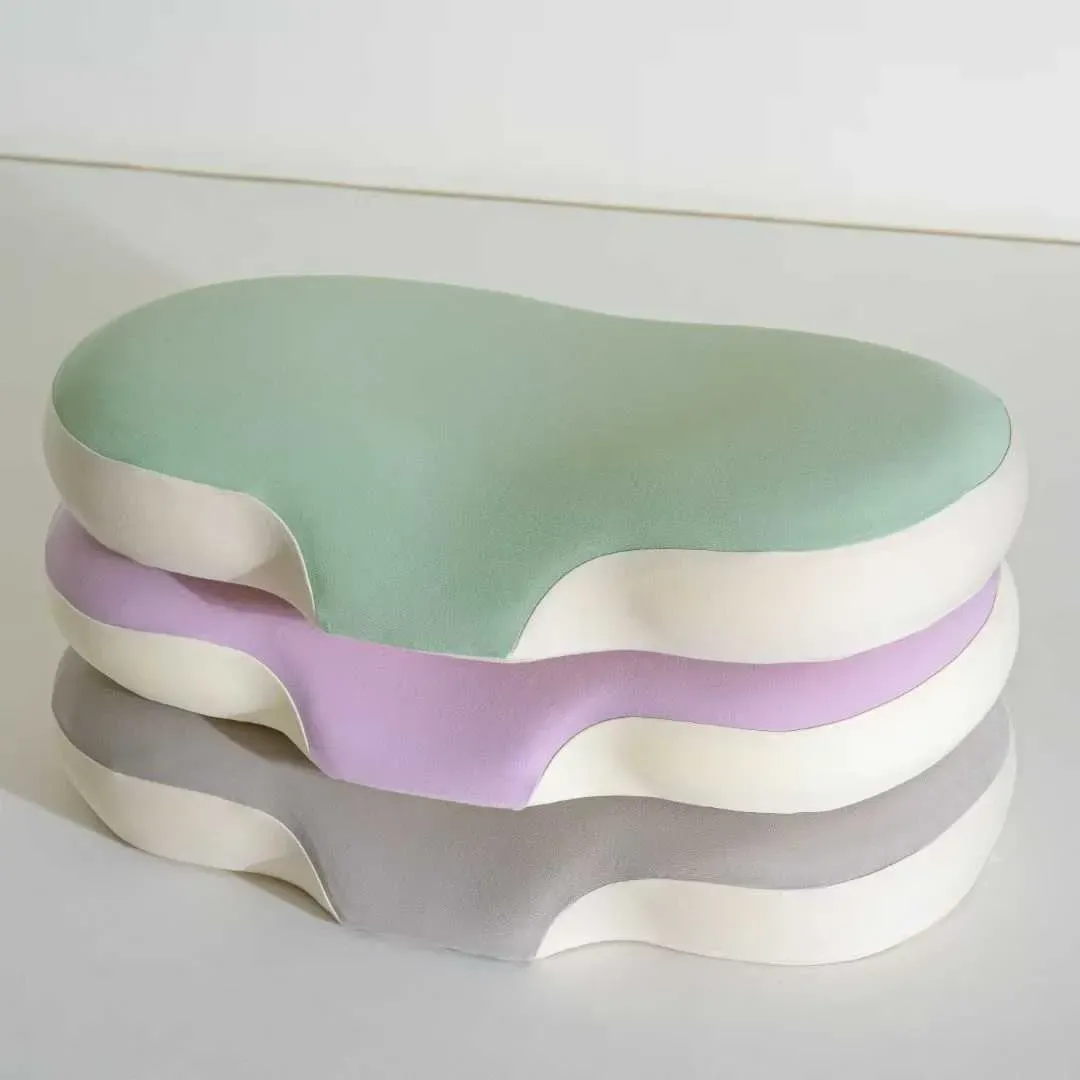
A hotel buyer recently set one sizing condition that outranked everything else in the inquiry: the pillows must fit a 21 by 35 inch pillowcase — roughly 53 by 89 centimetres. Not "king size", not "your standard size". The pillowcase. That phrasing tells you the buyer has already dealt with pillows that promised a size and failed the case, and it should change how any supplier answers.
Why the pillowcase is the real constraint
Hotels do not buy loose pillows; they buy pillows that go inside existing linen programmes. The pillowcases are ordered from a linen supplier, often years in supply, and a pillow that is half an inch too wide stretches the seam, pops at the zipper after a few launderings, or never seats flat in the case. A pillow too small swims inside the case and reads as thin on the bed. Neither failure is about foam quality — both are sizing failures, and both generate the same housekeeping complaint.
The buyer's second sentence is the instruction that matters: "If your standard size differs, please state exact size and height." Two numbers, not one. Flat dimensions are only half the fit; loft — the finished height — decides whether the pillow actually fills the case. A 53 x 89 cm pillow sewn at 14 centimetres of loft sits differently in a case cut for 16 than the same dimensions at 17. State both, measured on the finished, unpacked, fully recovered pillow.
How to answer a case-fit requirement
Measure the case itself if the buyer can send one, including the inner seam width, because a case labelled 53 x 89 is usually cut slightly smaller than its label to make the fit snug. Then work backwards: the pillow should be marginally narrower and shorter than the inner case dimension — typically one to three centimetres total — so it slides in without stressing the seam, and the loft should match the case's designed fill height.
If your standard mould is close but not exact, say so with the exact numbers, exactly as the buyer requested. "Our standard king is 50 x 90 x 15 cm; in your case we recommend adjusting the fill to 53 x 89 at 15 cm loft, cut from the same foam slab" is a complete answer. "We can make any size" is not — it hides whether the size change affects the mould, the fill weight and the price, all of which the buyer needs to see.
The cost question behind the question
Custom dimensions on an existing foam family are usually a minor adjustment: same slab, different cut length, adjusted fill weight, a relabelled spec sheet. Whole new sizes with new loft profiles are where tooling and sampling enter. State which case the buyer's requirement falls into and the cost difference disappears from the negotiation before it starts. The buyers who send pillowcase dimensions are the ones who have been burned before; answering with finished dimensions and loft, in centimetres, is how you show them this order will be different.


