Private Label Memory Foam Pillows: From Logo to Launch in 30 Days
A step-by-step private label roadmap for memory foam pillows: artwork specs, sampling timeline, certification paperwork, packaging options and the 30-day launch checklist.
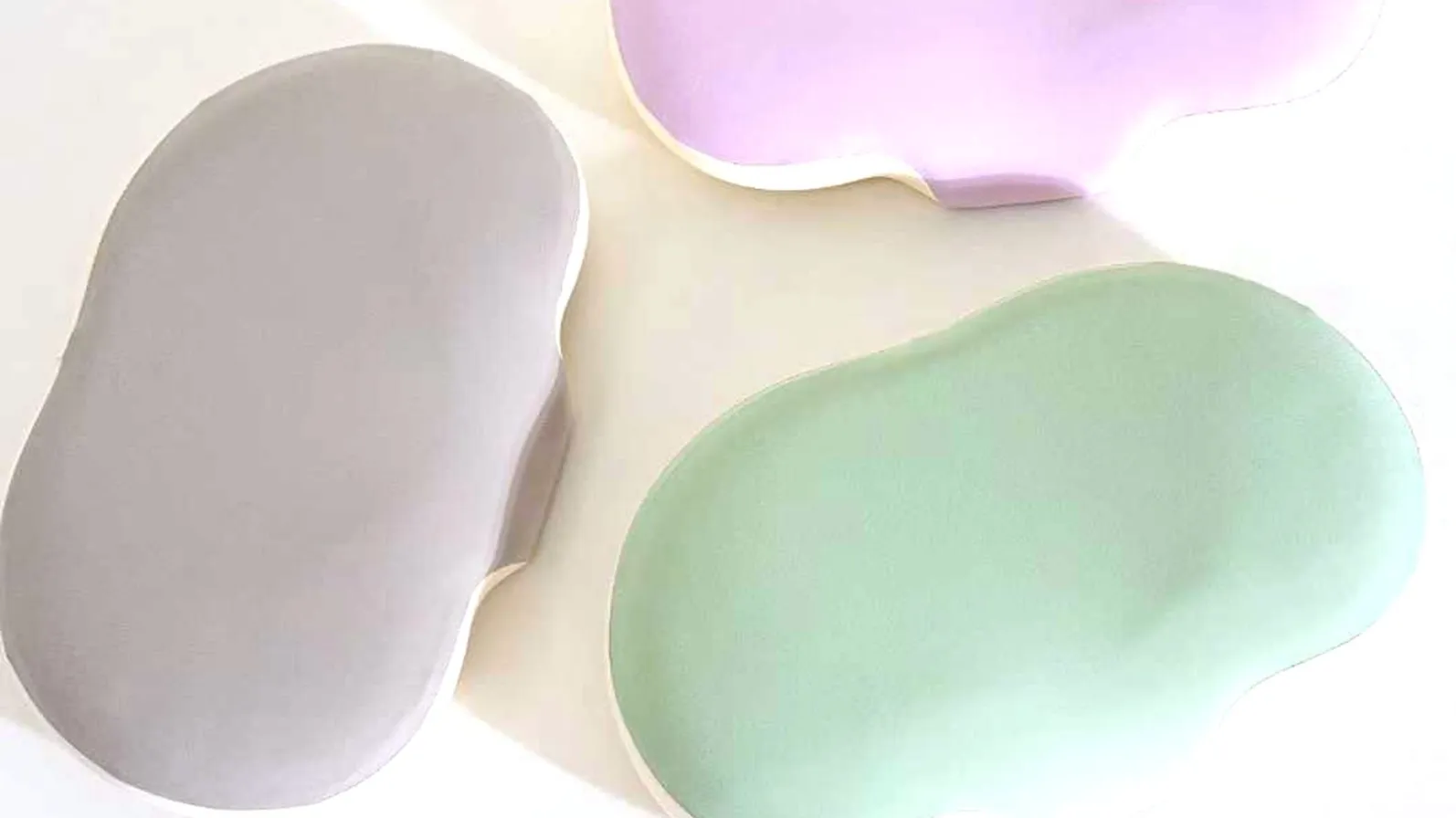
Private label is the fastest way to launch a sleep brand without a factory. The concept is simple: the manufacturer produces the pillows, you put your brand on them. The execution is where most first-time importers stumble - artwork files get rejected, samples miss the brief, and certification paperwork delays the launch by months.
This guide walks through the full private label process for memory foam pillows, with realistic timelines and the documents you need at each stage.
Week 1: Logo Files and the Tech Pack
Before any factory can quote accurately, you need a tech pack. This is a document that tells the factory exactly what to make. For a private label pillow program it should include:
- Pillow type and construction (contour, shredded, dual-layer)
- Core density range (50-60 kg/m3 for retail, 60+ for premium)
- Cover fabric and zipper colour
- Logo placement: woven label, printed band, or embroidery
- Packaging type: poly bag, retail box, or vacuum-compressed
- Target retail price point
Your logo files must be vector format (AI, EPS or PDF). A PNG pulled from your website will not survive printing on a woven label. If your brand uses specific colours, provide Pantone codes - "dark blue" means five different things to five different factories.
Week 1-2: Quotation and Sample Approval
Send the tech pack to three factories. You will get quotes within 48 hours, but the sample is where the real evaluation happens. A quality factory produces a pre-production sample in 7-10 days using your actual fabric and logo files.
When the sample arrives, check three things: the embroidery or label stitching quality, the zipper glide, and the rebound speed of the foam. Press your thumb into the core for five seconds - it should recover in 3-8 seconds. Instant recovery means it is not viscoelastic foam.
Week 2-3: Certification and Compliance Paperwork
While you evaluate samples, the factory should prepare:
- CertiPUR-US or OEKO-TEX certificate copies for the foam batch
- A test report from an accredited lab (ASTM or ISO standards)
- Label artwork in your destination market language
- Care instruction cards for the retail packaging
If you are selling on Amazon or in the EU, confirm the listing compliance requirements early. A missing flammability label can hold a container at customs for weeks.
Week 3-4: Production and QC
After sample approval, mass production for a 500-1000 unit order runs 15-25 days. During production, request:
- A golden sample retained from the first production run
- Photos of the foam pouring and cutting stages
- AQL 2.5 inspection report before shipping
The golden sample is your insurance policy. If a later batch does not match, you have a physical reference that both sides agreed to.
Launch Checklist
Before the container ships, confirm: logo files in vector format approved by the factory, Pantone codes matched on physical samples, certification documents in your company name, care labels in the destination language, and retail packaging barcodes tested with a scanner.
The factory that controls its own moulding and sewing lines - rather than outsourcing each step - is the one that can actually hit a 30-day timeline consistently.
PillowContract Industrial Co., Ltd. runs private label programs with 500-unit MOQ and 25-day production lead times. WhatsApp +86 137 7374 7840 to start your program.


