Sustainable and Eco-Friendly Memory Foam Pillows: Bio-Based Foam, Recycled Content and Green Certifications for B2B Buyers
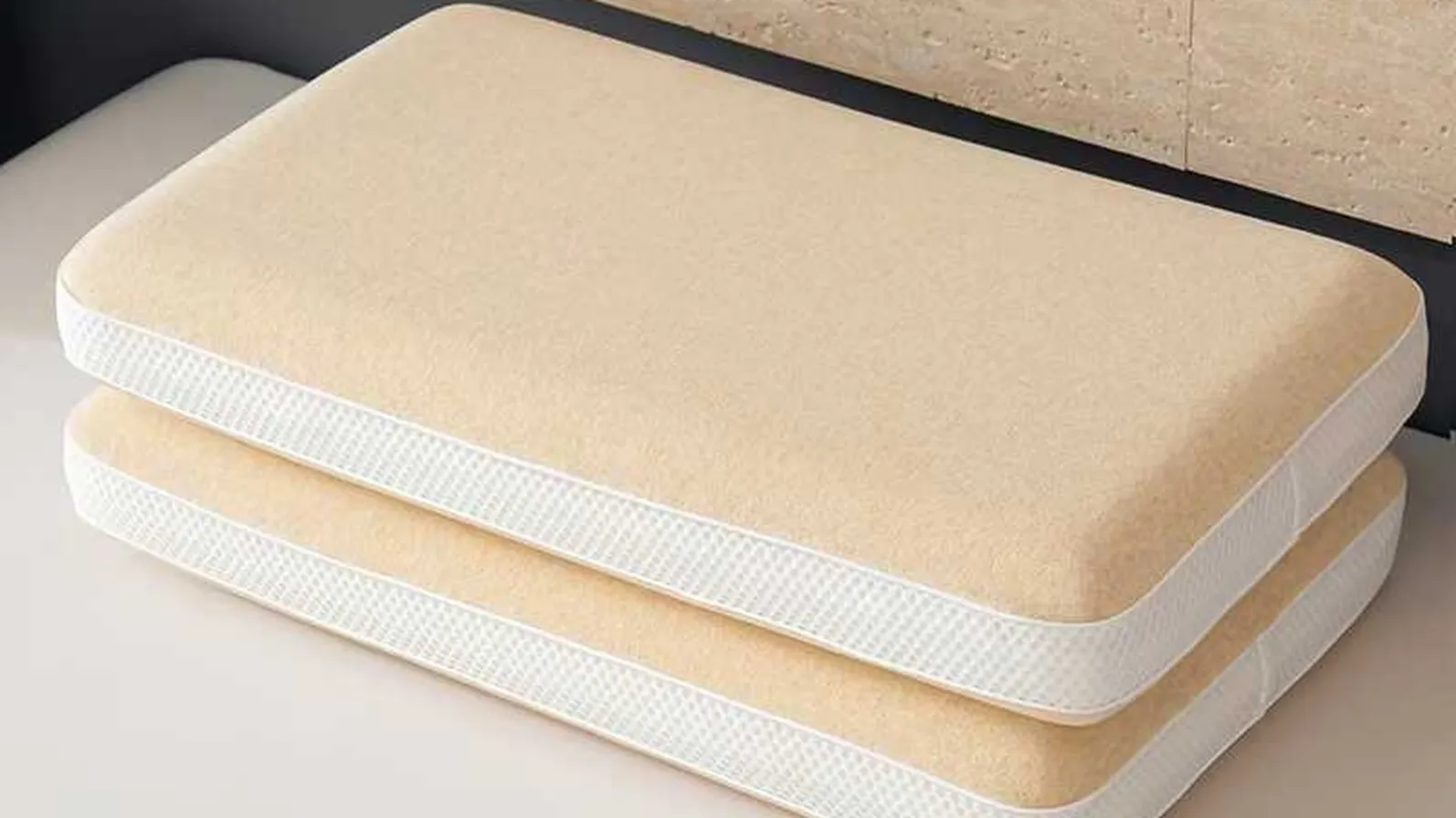
A buyer in the Netherlands opened a call last month with a question we now hear weekly: are your memory foam pillows actually eco-friendly, or is that just a word on the page? It is a fair question, and the honest answer is that "eco-friendly" is not one claim. It is three or four different claims stitched together, and only some of them can be verified with a document. This guide walks through how B2B buyers should read sustainability language on memory foam pillows, which certificates carry weight, and how to put eco specs into a real RFQ without paying for a slogan.
What "eco-friendly memory foam" actually covers
Before requesting anything, separate the claim into the parts a supplier can prove:
- Bio-based content: plant-derived polyols (soy, castor, corn) replacing part of the petroleum feedstock.
- Recycled content: reclaimed production scrap or post-consumer foam blended back into the block.
- Low emissions: foam made and tested to limit volatile organic compounds (VOC) released into indoor air.
- Sustainable production: the factory's energy, water, and waste controls, plus the packaging footprint.
Most pillows score on one or two of these, not all four. A buyer who asks "how green is it" in one breath usually gets a vague answer. A buyer who asks "what percentage is bio-based, and which certificate proves it" gets a number.
Bio-based foam: plant polyols replacing petroleum
Conventional memory foam starts as petroleum-based polyols reacted with isocyanates. Bio-based foam swaps a share of those polyols for plant oils, most often soybean or castor, sometimes corn. In commercial bedding foam the bio-based portion typically lands between 5 percent and 30 percent of the polyol side, not the whole block. A supplier claiming "plant-based pillow" without a percentage is describing marketing, not material.
The trade-off is real and worth knowing. Push bio-content too high and you can see slower recovery, softer hand-feel, or weaker durability versus a tuned petroleum blend. Good suppliers publish the exact bio-based percentage and tune density and ILD around it so the sleep performance holds. When you request bio-based foam, ask for the percentage, the feedstock type, and a certificate of analysis that matches the production lot, not a brochure.
Recycled and reclaimed foam content
Recycled content usually comes from two sources. The cleaner one is internal: trimming scrap from block cutting is granulated and fed back into new foam, which keeps material out of landfill without changing the safety profile. The harder one is post-consumer recycled foam, which must be screened for contaminants and re-tested to confirm it still meets the same standards.
Here the certification matters more than the percentage. CertiPUR-US already permits reclaimed material provided the finished foam still passes its limits on VOC, heavy metals, and prohibited substances. For buyers who want a documented recycled claim, the Global Recycled Standard (GRS) certifies both the recycled percentage and the chain of custody from source to finished good. Request the GRS scope certificate and the specific recycled percentage; without both, the claim is unverifiable.
Low-VOC and indoor air: the certification angle
Memory foam off-gassing is a separate topic from sustainability, but the two meet on emissions. A low-emission foam is better for indoor air and easier to sell into markets with strict chemical rules. The certificate that does the heavy lifting is CertiPUR-US, which caps VOC emissions from the foam itself. For the finished textile and the whole product, OEKO-TEX STANDARD 100 confirms tested absence of harmful substances, and OEKO-TEX MADE IN GREEN adds the sustainability of the production site on top of that.
For indoor-air-sensitive channels, such as schools, care homes, or nurseries, GREENGUARD Gold is the certificate buyers recognize, with tighter total VOC limits than the base GREENGUARD. EU-based retail often asks for the EU Ecolabel, which wraps material, production, and durability into one mark. None of these can be claimed from a photo; each comes with a valid certificate number and a renewal date you can verify.
Green certifications worth requesting
Buyers do not need every certificate, but they should know what each one covers so they request the right proof:
- CertiPUR-US: foam VOC, banned substances, durability. The baseline for North America.
- OEKO-TEX STANDARD 100: harmful-substance testing on every component including the cover.
- OEKO-TEX MADE IN GREEN: STANDARD 100 plus verified environmentally friendly production.
- GREENGUARD Gold: low total VOC for sensitive indoor spaces.
- GRS: recycled content percentage and chain of custody.
- EU Ecolabel: a broad environmental mark for the EU retail shelf.
Request the certificate number and expiry, not just the logo on a spec sheet. Expired or untraceable certificates are the most common gap we see in supplier packets.
Carbon footprint and LCA: real versus marketing
A carbon footprint claim should rest on a life-cycle assessment (LCA), ideally cradle-to-gate or cradle-to-grave, with the scope stated. A vague "low carbon" line with no method is not a claim you can defend to a retailer. Some suppliers can share an LCA summary; many cannot, and that is acceptable to state plainly in your listing rather than imply.
What buyers can verify today without a full LCA is the shipping footprint, and this is where packaging choice matters. Vacuum-rolled pillows compress to a fraction of their size, so a 40HQ carries far more units and burns less fuel per pillow than loose-packed goods. That freight saving is a real, documentable environmental gain, and it is the same roll-pack logic that cuts your ocean freight cost. Ask for the rolled dimensions and the units-per-container math; it is one of the few green numbers you can check yourself.
Packaging is part of the footprint
The pillow is only half the package. Buyers building a credible eco story should specify the wrap too: reduced-plastic or compostable outer film, recycled-content cartons, and print minimized to necessary labels. None of this needs a certificate to confirm, but it should be written into the PO so the factory cannot quietly default to virgin plastic. Small changes here are cheap and visible, which is exactly what store buyers and end customers respond to.
How to screen green claims without getting burned
Greenwashing risk is real, and it overlaps with the advertising-compliance rules we apply to health claims. The safe pattern is the same: require a document, not a word. If a listing says "100 percent eco" or "zero carbon" with no certificate, treat it as a claim you cannot support. If it says "30 percent bio-based polyol, CertiPUR-US certified, vacuum-rolled for lower freight," that is a claim you can stand behind and a retailer can audit.
Keep the language proportional. "Lower emissions through certified low-VOC foam" is defensible. "Planet-saving pillow" is not. Buyers who import for their own brand inherit the liability for every word on the product page, so the discipline of asking for proof protects both the supplier relationship and the brand.
A practical RFQ checklist for eco specs
When sustainability is part of the brief, build it into the request for quotation so the factory quotes what you will actually sell:
- Bio-based percentage and feedstock type, with a lot-matched certificate of analysis.
- Recycled content percentage and the relevant certificate (GRS where claimed).
- Foam and textile certificates by target market (CertiPUR-US, OEKO-TEX, GREENGUARD Gold, EU Ecolabel).
- Packaging specification: film type, carton recycled content, label print area.
- Rolled dimensions and units per 40HQ, to document the freight and emissions saving.
- Optional: an LCA summary or a statement that none is available.
A supplier who returns this list filled in is one you can list with confidence. One who dodges it tells you where the weak point is before you place the order.
MOQ and the cost reality
Eco specs are not free. Bio-based and recycled-content foam typically adds a modest material cost over a standard petroleum blend, often in the single-digit to low-double-digit percentage range depending on the bio or recycled share and the order volume. The good news for importers is that MOQ works in your favor: at 50 pieces and up, a tuned eco spec is a line item you can price and pass through, not a custom reformulation. For private-label programs the eco story also supports a higher retail position, which is where the modest cost premium usually pays back.
If sustainability is part of your range plan, tell the factory early. Switching foam grade after tooling and first production locks in the wrong material and forces a re-run. Spec it in the RFQ, confirm the certificates before the golden sample, and keep the paperwork with the shipment so the claim survives a retailer audit.
Where to start
Pick one or two eco claims that fit your market, request the matching certificates, and write them into the product page with the numbers attached. We keep a catalog of bio-based, low-VOC, and recycled-content memory foam pillow options with the certificates already on file, and we can quote FOB on a roll-packed assortment sized to your MOQ. Reach the team at +86 137 7374 7840 or info@pillowcontract.com to request the catalog and a FOB quote, or send your target spec and we will match a foam grade and a certificate set to it.


