Memory Foam vs Down Alternative for Hotels and Contract Bids
A contract-buyer's comparison of memory foam vs down alternative pillows: cost, wash durability, allergens, support, and which wins a hotel or bulk RFP.
Introduction
When a hotel, resort, or contract buyer writes a pillow RFP, the first fork in the road is memory foam versus down alternative. Both fill the same linen inventory, but they behave nothing alike through years of commercial laundering and thousands of guests. This comparison is written for the buyer who has to defend the choice on cost, durability, and guest satisfaction — not for a showroom feel test.
The Core Difference
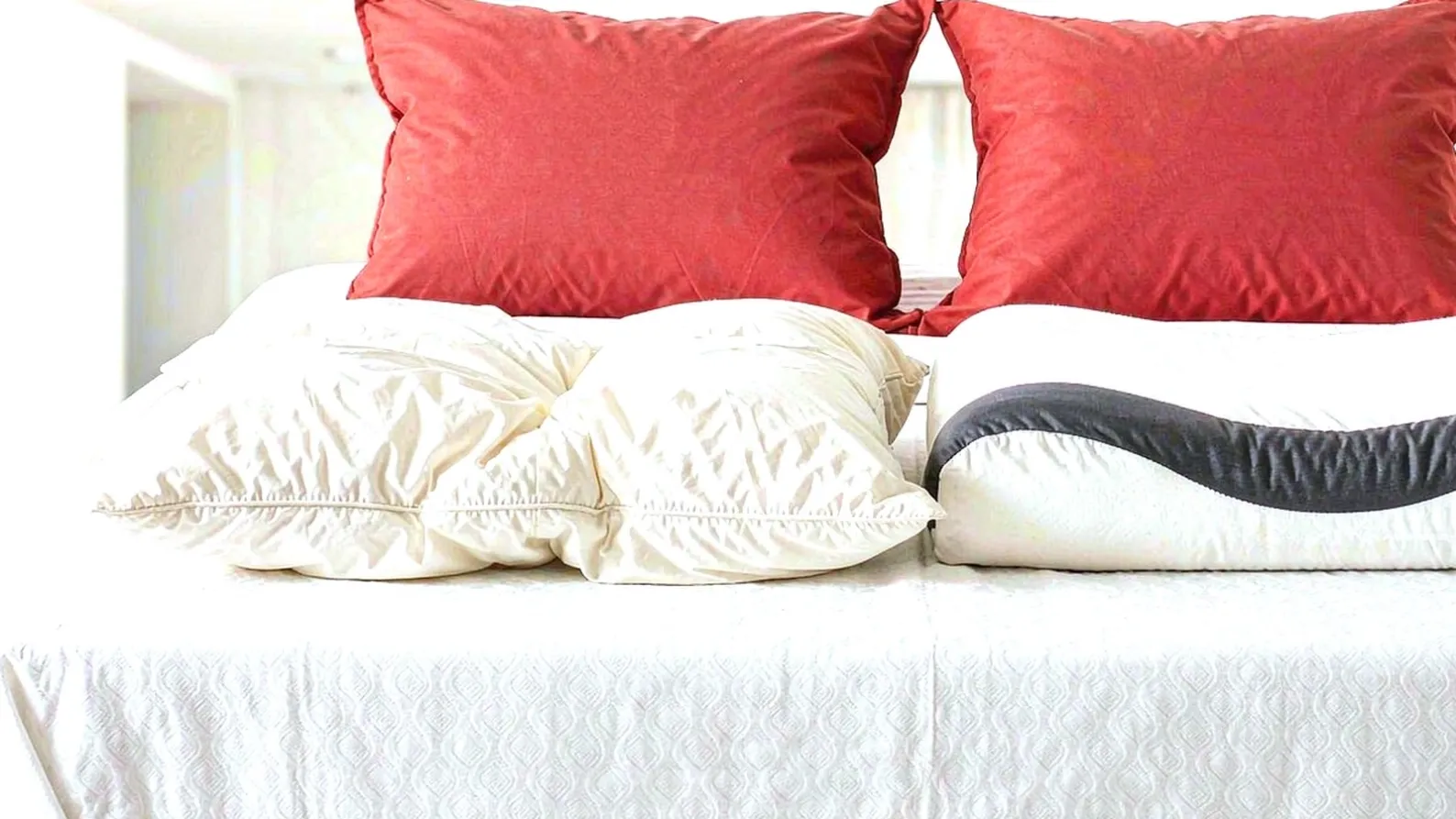
Down alternative is usually a polyester fiber cluster engineered to mimic the light, lofty hand of down. Memory foam is a viscoelastic polyurethane that responds to weight and heat. That single material difference drives every downstream trade-off in a contract program.
- Down alternative feels airy and light on first touch.
- Memory foam cradles and supports, holding the head and neck in alignment.
- The foam version keeps its shape through wash cycles; the fiber version slowly clumps and flattens.
Wash Durability Favors Foam
In a commercial laundry, the deciding factor is how the pillow looks and feels after the fiftieth wash, not the first. Down alternative fiber migrates, clumps, and loses loft; memory foam cores, if built for it, hold their contour far longer.
- Specify wash-cycle durability on any foam core you buy, with a loft-loss number.
- For down alternative, expect a shorter replacement interval and budget for it.
- A sealed sample and lot-release inspection matter more for foam, because the zone is hidden inside.
Allergens and Housekeeping
Hotels with allergen-sensitive guests or strict housekeeping protocols tend to prefer foam for one practical reason: a well-built memory foam pillow with a sealed, washable cover is inherently resistant to dust mites and easy to sanitize, which is the same reason the hypoallergenic memory foam story holds up in contract settings.
Down alternative is not unsafe, but its loft depends on fiber that can harbor allergens if covers fail, and it is harder to fully sanitize at industrial temperatures without damaging the fill.
Support and Guest Reviews
Guest sleep quality shows up in reviews, and support is where foam pulls ahead for side and neck-pain guests. The ergonomic cervical contour of a memory foam pillow does work that a loose fiber fill cannot: it holds the neck in place rather than letting the head sink.
For properties competing on sleep quality — wellness resorts, long-stay serviced apartments — this support difference is often the reason foam wins the bid even at a higher unit price.
Cost and Price Stability
Down alternative usually wins on entry unit price, but the total cost of a program includes replacement frequency. Foam's longer life can flip the math over a three-year horizon.
- Build a three-year cost model, not a per-unit quote comparison.
- Note that feather and fiber markets swing more than polymer pricing, so down alternative budgets are harder to forecast.
- Foam also compresses for freight, which lowers landed cost on a bulk program.
Sustainability and EPR
Both materials face EU end-of-life scrutiny, but they answer differently. Foam needs EPR registration and, where real, recycled-content proof; down alternative needs a defensible synthetic-fiber recycling story. Neither is automatically "greener," and green claims now require documentation either way.
For a memory foam vs latex comparison the sustainability angle differs again, since natural latex has its own certification and supply story. Pick the comparison that matches what your RFP actually asks.
Where Down Alternative Still Wins
Honesty matters in a bid. Down alternative still wins on a light, luxurious hand-feel that some guests associate with premium bedding, and it is often cheaper to buy initially. The right program is frequently a blend: foam for support and durability, a down-alternative option for guests who ask.
A smart hotel pillow program offers both rather than forcing one material on every sleep style.
Red Flags in a "Versus" Claim
Vendors oversell both sides. Watch for:
- Foam presented as maintenance-free — it still needs a rated washable cover.
- Down alternative sold as "just as durable" — ask for cycle data.
- No three-year cost model, only a per-unit price.
- No sealed sample or lot-release plan on either material.
Conclusion & Next Step
For hotels and contract bids, memory foam vs down alternative is not a feel preference, it is a total-cost and durability decision. Foam wins on support, wash life, allergens, and freight; down alternative wins on light hand-feel and entry price. The strongest programs spec both and let the guest choose. Buyers who model the three-year cost and lock consistency with sealed samples make the bid defensible either way.
Talk to our sourcing team on WhatsApp +86 137 7374 7840 for a side-by-side specification, wash-durability data, and bulk MOQ for a blended pillow program.


